Get Full Government Meeting Transcripts, Videos, & Alerts Forever!
Get email alerts on the Mental Health topic
No spam. Unsubscribe anytime.
Putnam County committee hears mental‑health update; stabilization center stalled, mobile teams expanded
Summary
Social Services Commissioner Sarah Seridio told the Health, Social, Educational and Environmental Committee on Sept. 5 that the planned stabilization center remains stuck at lease/contract negotiations even as co‑responder and mobile crisis work continues; county has committed $2.5 million in ARPA funds and officials debated allocating money to mobile services if the center cannot be contracted by year end.
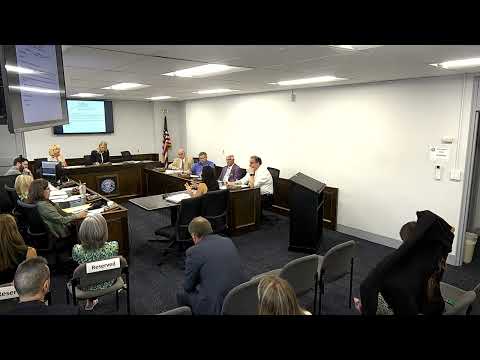
Social Services Commissioner Sarah Seridio told the Putnam County Health, Social, Educational and Environmental Committee on Sept. 5 that a planned stabilization center remains at the landlord contract-and-lease stage while other crisis-response work continues countywide.
The update, delivered during the committee's regular meeting, outlined heavy demand for crisis services: “We have worked with and engaged 415 people since the end of February,” Seridio said, counting unduplicated CRT (co‑responder team) clients and noting that including repeat visits the program has handled well over 1,000 engagements. She said the CRT receives roughly four to six new referrals a day and that most cases involve substance use alongside mental‑health needs.
Why it matters: Committee members warned the CRT is small — the core team currently comprises two staffers — and said caseloads create pressure to accelerate alternatives. The county has committed $2.5 million in ARPA funds for a stabilization center, Seridio confirmed; committee members asked whether unspent funds would be reallocated if the center is not contracted by the end of the year.
Seridio described a layered response the county is building: CRTs working with law enforcement, a planned mobile crisis team operated by People USA and a stabilization center intended to serve people before they reach full crisis. The mobile crisis model, Seridio said, will include peers, a social worker and a case manager and aims to hire a psychiatric nurse practitioner or psychiatrist when possible. She noted the mobile team is expected to work closely with CRTs and to help fill gaps when clinical appointments are not available.
The county is also investing in training. Seridio said the county received state money for Crisis Intervention Team (CIT) training, uses nearby academies in Westchester and Dutchess counties, and plans to offer Mental Health First Aid training to dispatch staff before year‑end as a step toward a direct referral process from 911. CIT is a 40‑hour, five‑day course; Seridio said the county expects heavy takeup and aims for broad training coverage across agencies by mid‑2025.
On opioid and suicide response, Seridio said opioid‑settlement funds are being used and reported a recent dip in overdose deaths. She also cautioned that suicide reporting can lag while investigations close; she said August included three suicide deaths among county residents and that the county is reestablishing prevention and postvention teams to strengthen support for families and survivors.
Committee members debated whether to hold ARPA funds for the brick‑and‑mortar stabilization center or shift some funding to mobile programs and community partners (prevention council, local hubs, shelters and providers). Seridio urged continued coordination and recommended further offline discussions to determine whether and how to pivot service models while pursuing the stabilization center.
The committee took no separate vote on the stabilization center itself during the session; Seridio said she expects to report back at a future meeting as staffing and contracting evolve.