Get Full Government Meeting Transcripts, Videos, & Alerts Forever!
Get email alerts on the Clean Truck Policy topic
No spam. Unsubscribe anytime.
Putnam County Legislature passes memorial urging caution on state—s clean truck rule after heated debate
Summary
The county approved a memorialization urging pause or reconsideration of parts of New York State—s advanced clean truck standards after legislators expressed concerns about infrastructure, costs and public-safety implications; supporters cited state voucher programs and climate commitments.
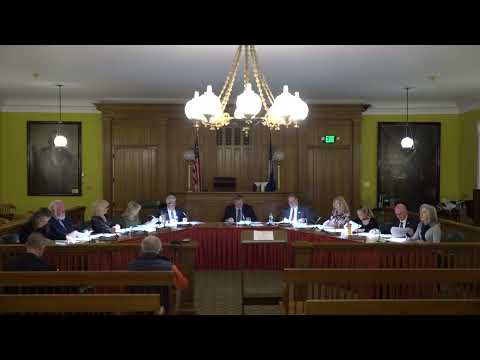
Putnam County—s Legislature voted Dec. 3 to adopt a memorialization urging caution about elements of New York State—s advanced clean truck standards, following a lengthy debate over infrastructure readiness, costs and public-safety risks.
A legislator opposing the memorialization told colleagues that failing to implement state measures undermines Putnam County—s climate-smart resolutions and risks public health, saying, "Delaying and failing to implement policies cost lives." Another legislator warned of practical problems for local governments, citing charging infrastructure shortages, the high cost of zero-emission heavy trucks and concerns about battery fires and vehicle availability.
Supporters and opponents traded policy and implementation arguments: speakers referenced a state truck voucher program designed to offset incremental EV costs and a state audit noting gaps in progress toward climate goals. Legislators who opposed the memorial urged cooperation with NYSERDA and state incentives; proponents argued small local governments lacked the infrastructure and that implementation should proceed more cautiously.
The clerk called a recorded roll; multiple legislators registered their votes and the chair announced the motion carried. The memorialization does not itself change county law; it registers the legislature—s position and urges state and regional coordination on funding and infrastructure implementation.
The Legislature moved on to other agenda items after the vote; no binding ordinance or ordinance-level exemption was enacted.