Get Full Government Meeting Transcripts, Videos, & Alerts Forever!
Get email alerts on the Legislation topic
No spam. Unsubscribe anytime.
GRPS board affirms 2025 legislative priorities; warns of unfunded mandates and benefit cost risks
Summary
The Grand Rapids Public Schools board voted to affirm a legislative platform for 2025 and accepted the superintendent—s evaluation. Staff and consultants reviewed several lame‑duck bills affecting attendance, FAFSA completion, school safety, school library staffing and publicly funded health insurance contributions.
The Grand Rapids Public Schools Board of Education on Dec. 9 affirmed a legislative platform to guide district advocacy in Lansing and accepted the superintendent—s final evaluation for the year.
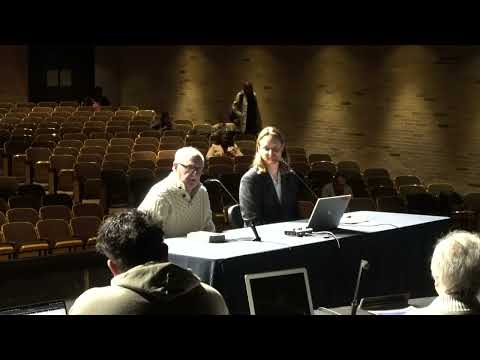
Consultants from McKelvey Merchant and Seaford briefed the board on bills moving during the lame‑duck session. They highlighted HB 4928–4930, which would allow camera systems on school buses to enforce illegal passing fines returned to the district—s transportation fund; a FAFSA‑completion bill (Senate 463) that is being revised to include waivers for privacy or good‑faith efforts; and a set of school safety bills including HB 4095/4096 and companion measures.
They warned about House Bill 6058, which would change contributions under the publicly funded health insurance contribution act and could raise costs for districts and employees. Presenters estimated a 7% increase in insurance costs could equal about $85–$95 per pupil for a typical district and projected an estimated $1.3 million fiscal impact for GRPS if enacted without offsets. Presenters urged board members to contact local legislators and seek funding rather than unfunded mandates.
The board also heard about HB 5741, which would require Stop‑the‑Bleed first‑aid kits and expand hands‑on CPR instruction for pupils in grades 7–12; district staff noted it is currently an unfunded mandate and asked for appropriation language to accompany the policy. A proposed requirement for certified school librarians drew concern because of a limited statewide pipeline and the bill currently lacks funding for sustained implementation.
Procedurally, the board accepted Superintendent Leidrian Roby—s evaluation with a consensus rating of 2.72 out of 3. The board also moved and approved the purchasing agenda, the purchasing addendum, and the consent agenda by voice votes.