
Local nonprofits urge county to reverse cuts; Cornell Cooperative Extension, Soil & Water and IDA make case during public comment
Get AI-powered insights, summaries, and transcripts
Subscribe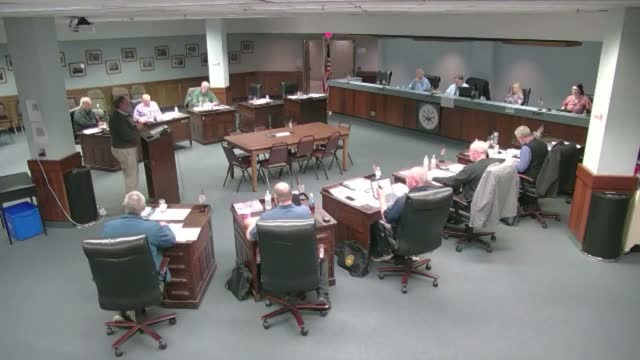
Summary
Representatives from Cornell Cooperative Extension, Seneca County Soil & Water and the IDA told supervisors that level funding or freezes would erode services, risk state grant funding, and impose new costs on the organizations; the board later restored some affiliate funding as part of budget amendments.
Representatives of local affiliate organizations told the Seneca County Board of Supervisors during public comment that proposed level funding and freezes in the 2025 budget would impair services and jeopardize external grant funding.
Abe Baader, identified himself as executive director for Cornell Cooperative Extension in the county, said the draft budget had removed a proposed $26,000 increase and now reflected level funding. "Given inflation over the past several years, level funding results in a cut to our organization and makes it more difficult to provide quality programming and retain professional, experienced staff," Baader said. He requested a $17,000 increase to allow a 3% cost-of-living adjustment for staff and described CCE's local programs, including farm-to-school lessons that reached tens of thousands of students and support for farmers markets and SNAP/EBT redemption.
Aaron Parazini, representing the Seneca County Soil and Water Conservation District, said the district had already reduced operating expenses to accommodate a 24% health-insurance increase and asked the board to approve a modest 2.2% increase (about $11,000). He warned that without county support the district might be unable to implement practices required by an anticipated state grant for the Eastern Finger Lakes Coalition (the district referenced about $3.8 million) and could be forced to return funds.
Bruce Murray, chair of the Seneca County IDA, reiterated concerns about county fiscal choices and said the IDA had incurred roughly $30,000 to $40,000 in new operating costs after being asked to vacate county office space on short notice; he also summarized the IDA's role in funding a highest-and-best-use study for the Willard facility (IDA contribution ~ $160,000; county contribution ~ $25,000).
During the board's budget debate later in the meeting supervisors proposed and then adopted an amendment to restore $63,000 to affiliate funding lines. County finance staff noted the amendment returns some dollars toward affiliate allocations in the tentative budget but cautioned that the restored amounts are not necessarily the full amounts affiliates originally requested.
The meeting's chair emphasized the board's difficult fiscal choices: task force and committee work had already reduced the initial budget request by several million dollars, and supervisors said the board must balance short-term relief against longer-term reserve depletion.
The board voted to adopt the overall budget as amended later in the meeting.