
Tahlequah steering committee sets timeline and targets fall 2026 vote on sales-tax extension
Get AI-powered insights, summaries, and transcripts
Subscribe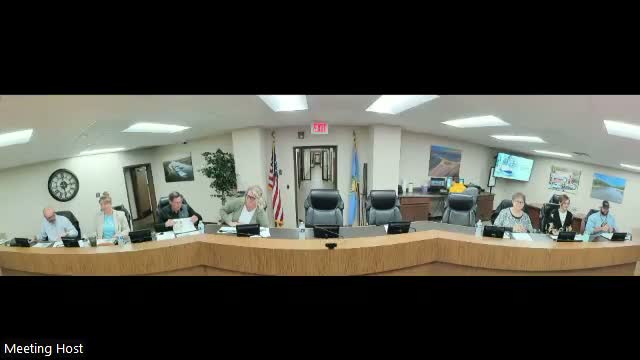
Summary
A city steering committee laid out goals and a timeline for a proposed bond/sales-tax extension, recommending an October 2026 target and emphasizing cost estimates, outreach, and coordination with an upcoming school bond. The group highlighted that a half-cent street tax expires Dec. 2025 and current bond revenue ends 2028.
A Tahlequah steering committee met to begin planning a proposed bond and sales-tax extension that city staff and volunteers hope to present to voters in 2026.
Mayor Suzanne Myers opened the session and asked the committee to prioritize community input as members introduced themselves. Taylor, a city staff presenter, said the committee’s role is to identify underheard populations, recommend projects and a funding structure, and serve as outreach champions for a future ballot measure.
Taylor reviewed the city’s bond history and current revenue streams. He said the 2013 bond funded street projects, library upgrades, solid-waste fleet purchases and a trail along the creek, and that turnout for that ballot was 963 voters and passed by 52%. He said the dedicated half-cent street-and-sidewalk sales tax generates roughly $2,000,000 a year and “expires at the end of next year, December 2025,” and that the city’s current three-quarter-cent bond levy produces about $3,000,000 annually and expires in 2028.
City staff presented funding options: a traditional bond (raising funds up front), a pay-as-you-go tax extension that builds projects as revenue arrives, or a hybrid approach that bonds a portion and funds the rest over time. Taylor recommended targeting a fall 2026 sales-tax extension so a new mayor would not be forced into a hurried process and there would be time to repackage measures if voters reject them.
Committee members and utility staff urged early, precise cost estimates to avoid underfunding. Mike Noblehead, general manager of TPWA, cited a waterline relocation that was budgeted at about $775,000 and completed at roughly $2,000,000, saying delays and inflation can significantly raise costs. Members noted that some projects funded by prior measures remain incomplete and that right-of-way and utility relocation costs can be substantial.
The committee discussed election mechanics and scheduling. A participant noted sales-tax measures pass with a simple majority (50%+1), while school bonds require 60% approval. Taylor said the city generally needs about six months of lead time to finalize projects and materials for an election and that a resolution to call an election requires roughly 60 days’ notice.
Taylor and members emphasized outreach and marketing: communicating clearly that an extension is not an increase, educating voters about specific projects, and coordinating with partners such as the Chamber and Main Street. The committee set regular meetings (1st Friday each month at 9:30 a.m.), asked members to propose additional participants (including potential Cherokee Nation representation and housing authority experts), and requested that staff circulate documents, cost estimates and the 2013 bond materials to guide future decisions.
Next steps include assembling subcommittees for subject-matter expertise, developing cost estimates and a project list within funding limits, and preparing an outreach plan ahead of the committee’s recommended fall 2026 ballot schedule.