Get Full Government Meeting Transcripts, Videos, & Alerts Forever!
Get email alerts on the Housing Policy topic
No spam. Unsubscribe anytime.
Residents press council on red‑tag fee impacts and affordable housing concerns
Summary
Multiple public speakers urged changes to Lansing’s red‑tag enforcement and raised affordable‑housing concerns: residents described fee escalation and homelessness risks, a developer group said it has cleared many red tags and accepts Section 8, and speakers urged grant or loan programs for repairs.
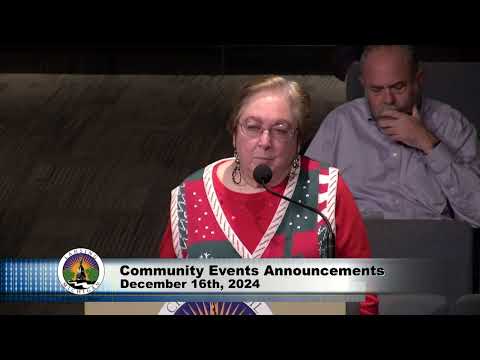
At the public‑comment portion of the Dec. 16 council meeting several residents and a local housing developer raised concerns about Lansing’s red‑tag enforcement regime and affordable housing access.
Nicholas Zandy urged the council to distinguish between landlord neglect and homeowner hardship, arguing landlords should face penalties for neglect while residents should be offered help before enforcement escalates into large fees; he estimated individual fees in a recent case at roughly $4,000. Andy Markovich argued for a multi‑tier red‑tag system that would allow residents time to make repairs rather than immediate evictions and proposed using red‑tag fee revenue to fund grants or interest‑free loans to help homeowners correct violations.
Joe Neller, speaking for CIMTOB Management (an affordable‑housing developer), said his company had secured valid rental certificates for its properties by November after investing about $1,000,000 and that CIMTOB accepts Section 8 vouchers; he offered the company’s experience as a resource for addressing red‑tagged properties.
Speakers described the human consequences of current enforcement practices and urged the council to consider alternatives that reduce displacement while still addressing hazardous conditions. The meeting record shows no formal policy change was adopted at this session; the speakers’ remarks were entered as public comment for further consideration by council and staff.