Get Full Government Meeting Transcripts, Videos, & Alerts Forever!
Get email alerts on the Parking Policy topic
No spam. Unsubscribe anytime.
Council hears downtown parking committee recommendations; options for 3–4 hour limits and phased signage
Summary
A community‑driven downtown parking committee recommended parking boundaries (Cleveland to south Albany, 5th to 10th), 3–4 hour time limits with unlimited city-lot parking, overnight no-parking 2–6 a.m., and phased sign roll-out; council asked staff to prepare options and consider public input during the code amendment process.
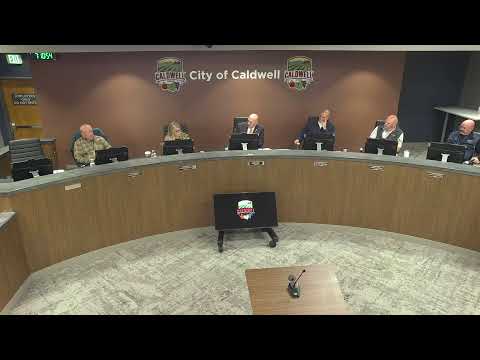
Councilor Register presented findings from a downtown parking committee made up of business owners, community members and city staff, recommending a code amendment and a phased, community-informed approach to address ongoing parking constraints after meter removal.
The committee recommended parking enforcement boundaries from Cleveland to the south side of Albany and from 5th to 10th streets, with proposed time limits of three or four hours (with a suggested community preference for four hours to encourage longer visits). The committee suggested unlimited parking times in city lots, no overnight parking from 2 a.m. to 6 a.m. to clear abandoned vehicles, and a graduated approach to street time limits near the movie theater (up to five hours) to accommodate longer events. Additional committee proposals included increasing short-term pickup spaces near the post office, improving lighting in walking routes from lots, and assessing ADA compliance and additional handicap spaces close to business entrances.
Council discussed enforcement and resources, including use of existing police CSOs and possible citizen-on‑patrol programs. Staff noted the city already has 60–70 signs available from prior paid-parking implementation that could be reused; full reprinting of signs (if needed) would cost roughly $50 per sign with a worst-case reprint estimate of about $7,000.
Council asked staff to outline two clear options (Option 1 and Option 2) and to return with a public-comment process when the formal code amendment is prepared so the community can review proposed changes.