
Residents Press Clermont County Commissioners on Animal Shelter Policy and ARPA Transparency
Get AI-powered insights, summaries, and transcripts
Subscribe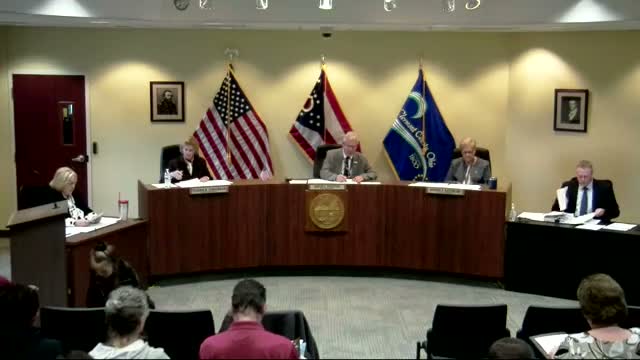
Summary
Several residents criticized the county’s new volunteer policy for the animal shelter, asked for accounting of donor funds and dog-bite procedures, and urged clearer, itemized disclosure of ARPA/COVID-era spending on projects such as a $4.4 million transportation center and a $2 million roundabout.
Several residents used the public-comment portion of the Clermont County Board of Commissioners’ Dec. 30 meeting to press officials on the county animal shelter’s volunteer policy, the handling of donor funds and transparency around American Rescue Plan Act spending.
Jody Wilson of Williamsburg told the board the volunteer policy prepared by county staff member Angie Linse was “ludicrous,” criticized what she described as shifting explanations about roughly $20,000 in donor funds and asked, “Who did you get your information from that was put into the volunteer policy?”
Julie Tolliver of Batavia, a former village council member, said she did not feel “stability” or “unity” in the county and described ongoing concerns about the shelter’s history. “The status quo isn't the answer,” Tolliver said, urging better channels for residents to voice concerns and more outreach on local priorities.
Tracy McCullough, a Batavia resident who identified her address during remarks, cited Ohio Revised Code §955.261 and asked whether quarantine and chain-of-custody requirements were followed after a recent dog-bite incident. McCullough submitted requests for video, the written bite incident report, chain-of-custody records and employment information for a recently introduced staff member, Ursula Miller.
Resident and former commissioner candidate Jen Mazzichelli criticized county transparency on ARPA and COVID-era funds, saying it can be difficult for residents to find line-item spending. She questioned using ARPA resources for projects such as a reported $4.4 million transportation center with heated bays and a roughly $2 million roundabout rather than, she argued, pressing needs such as affordable housing. “Transparency will solve a lot of those problems,” Mazzichelli said.
County officials responded that ARPA allocations included infrastructure categories such as roads and water and that the county has documented allocations online, including investments cited during the meeting (the board referred to multimillion-dollar investments for road and water projects). The board also noted that many project requests originate with township trustees, village councils or applicants brought to the county’s economic development office and that some review processes (for block grants and capital grants) include evaluation steps before funding decisions are made.
The board’s administrator and other staff said the volunteer handbook was researched and reviewed by county legal counsel and administrators. Commissioners encouraged residents to engage through trustee meetings, to request meetings with staff and to follow advertised public-notice and legal-notice postings for project solicitations.
The public-comment exchanges concluded with multiple residents reiterating calls for clearer, more accessible breakouts of past ARPA/COVID-era spending and fuller explanations of shelter finances and procedures. The board did not take formal action on these public requests at the meeting; residents filed records requests and asked for follow-up information.