Get Full Government Meeting Transcripts, Videos, & Alerts Forever!
Get email alerts on the Meter Abatement topic
No spam. Unsubscribe anytime.
Blackstone commission explains meter-testing process after resident contests $900 bill
Summary
A resident asked the Water & Sewer Commission for an abatement of an unusually high bill; commissioners outlined town policy that customers must pay first and may seek an independent test of the meter (staff said testing takes ~2–3 weeks and a test cost of about $300). The commission said it would consider abatement at the next meeting if testing shows a meter defect.
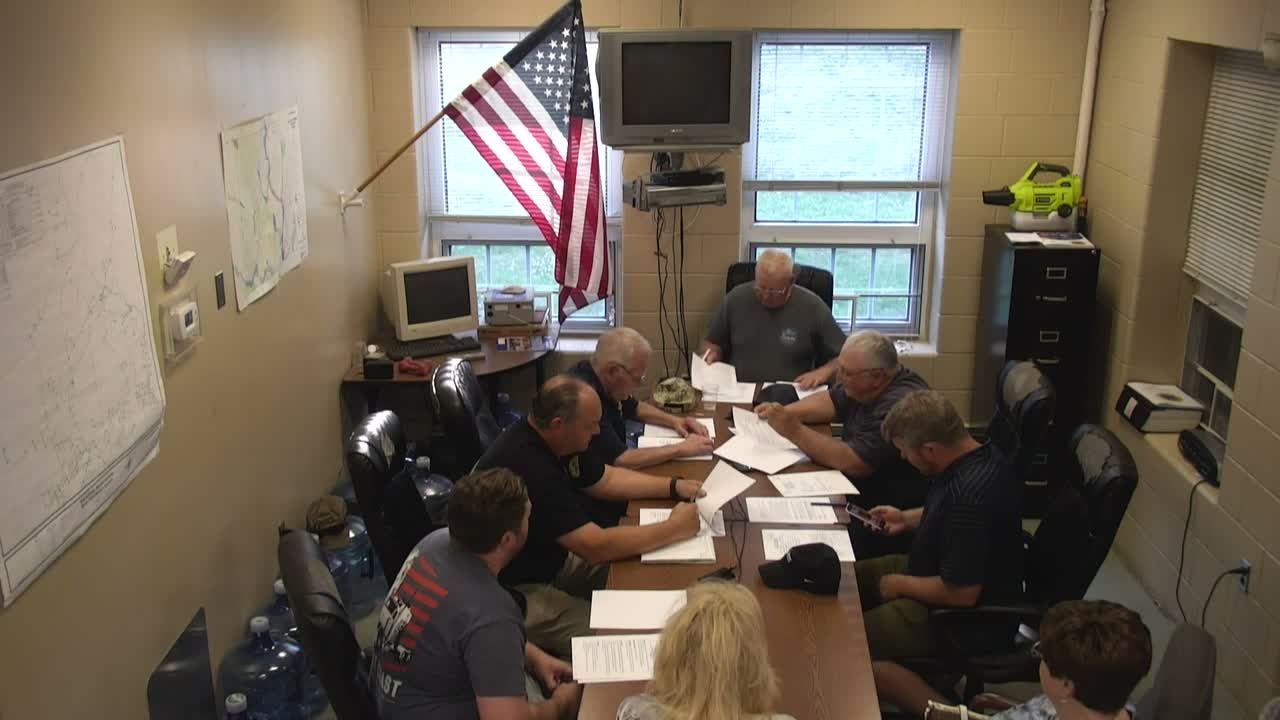
A Blackstone resident who received a near-$900 water bill told the Town of Blackstone Water & Sewer Commission on June 13 that she believed her meter was recording incorrectly. The commission explained the department’s abatement policy and the steps for independent meter testing.
The resident described previous quarterly bills of roughly $130 and said a recent bill jumped to about $900. Staff member Jim explained that town rules require customers to pay the bill before an abatement can be considered; the department will remove the meter, install a temporary test meter and send the original meter to an independent lab. "It's $300," Jim said when asked about the testing cost, and staff later described components of that charge (a laboratory test and a technician fee to remove and replace the meter).
The commission walked the resident through options: pay and request a test now, buy and install a new meter at the homeowner’s expense (staff estimated an individual meter at about $300), or have the department swap in a temporary meter for diagnostic monitoring. If the independent test finds the meter defective, the department will absorb testing costs and the commission will consider an abatement (averaging usage over the prior year was described as the likely remedy). If the meter tests good, the customer is responsible for testing and any unpaid balance.
Staff estimated that meter testing takes roughly two to three weeks and said the commission would consider any abatement at its next regular meeting. Commissioners also encouraged the resident to permit access for testing and to monitor daily readings while the process proceeds. The commission did not take a formal vote on the abatement during the June 13 meeting; instead, staff agreed to remove and test the meter and report results to the commission for action at a later meeting.
Votes at a glance: The commission approved corrected minutes for April 11, 2024 (motion by Rob Patterson, seconded by Tom Devlin; unanimous); accepted the May 9, 2024 minutes with one abstention (Rob Patterson abstained); authorized payment of a $60 transcription/secretary invoice (motion by Tom Devlin, seconded by Rob Patterson; unanimous); and later adjourned (motion by Tom Devlin, seconded by Rob Patterson; unanimous).