Get Full Government Meeting Transcripts, Videos, & Alerts Forever!
Get email alerts on the Battery Storage Policy topic
No spam. Unsubscribe anytime.
Environmental groups urge Babylon to end battery-storage moratorium and adopt safety codes
Summary
Citizens Campaign for the Environment and NYLCV urged the Town of Babylon not to extend a moratorium on battery energy storage systems and to adopt NYSERDA- and state task-force-recommended safety codes to enable safe local projects and grid resilience.
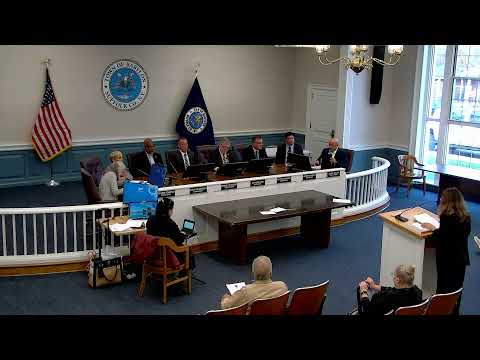
Speakers representing environmental organizations urged the Town of Babylon to allow battery energy storage projects to proceed under modern safety codes rather than extending the town’s moratorium.
Jordan Christiansen of the Citizens Campaign for the Environment thanked the board for prior climate work and asked the town not to extend its moratorium on battery energy storage systems, urging adoption of updated local codes. “We are urging the town to move forward with updating your codes to properly site best projects and to not extend the moratorium for another 6 months,” Christiansen said, asking officials to use NYSERDA model guidance and the state interagency fire task-force recommendations rather than drafting new rules from scratch.
Julia Damiano of the New York League of Conservation Voters (NYLCV) said battery storage is a practical solution to store intermittent offshore wind and solar generation and to stabilize the grid during emergencies; she acknowledged safety concerns but said state and industry standards can manage those risks. She told the board she was submitting multiple written comment letters from local residents and organizations for the record.
No board action on the moratorium was recorded during this meeting; these remarks were part of the open public-comment period.