Get Full Government Meeting Transcripts, Videos, & Alerts Forever!
Get email alerts on the Healthcare Workforce topic
No spam. Unsubscribe anytime.
Task force approves final workforce report after edits; members debate where to reference COVID-19
Summary
A state task force approved a revised report on shortages of radiography, nuclear medicine and respiratory care practitioners after minor edits and a brief debate about whether to explicitly reference COVID-19; the report will be circulated as a PDF to state officials.
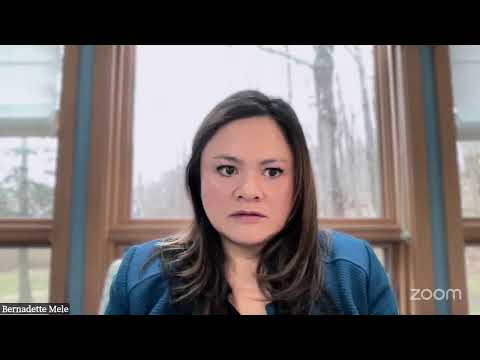
The task force reviewing Connecticut’s workforce for radiography, nuclear medicine and respiratory care approved a final draft of its report after members agreed to several minor edits and a wording change about how to reference the COVID-19 pandemic. Chair opened the meeting by thanking members for six months of work and shared the draft, saying she would circulate a PDF after final revisions.
The report consolidates background and recommendations into four sections, expands discussion of radiologic technologists and nuclear medicine within the radiology scope, and adds more material about respiratory care practitioners. Chair noted that national and state vacancy figures and charts were included using data from the Connecticut Hospital Association and thanked members who supplied that information. "I appreciate the work that everybody has done," the chair said during the meeting.
Members debated whether the scope-of-problem lead should name the COVID-19 pandemic. Mr. Raza proposed language framing the pandemic as a case study of how a novel pathogen can expose workforce vulnerabilities. Representative McCarthy Baghey, citing personal experience and the role of respiratory therapists during the pandemic, said, "I don't think it's a bad thing to reference it," and said mentioning COVID-19 is common in other task force work. Others preferred not to lead with the pandemic; the group agreed to include a concise two-sentence reference later in the document that notes pandemics and other unforeseen events can exacerbate existing shortages.
Other edits were largely formatting and clarification: the task force moved overarching principles into the introduction, corrected numbering after removing a section, and broadened wording on partnerships to include high-school career fairs and HOSA among other partners. Members clarified that a table labeled "capacity" shows raw counts (for example, 40) rather than percentages, and confirmed program degree listings (for example, University of Hartford) reflected the schools' published degree options.
A member moved to vote on the revised report and another seconded; the chair called for a hands-up vote. The chair reported that Mr. Kidwell, who was not present, had indicated support and would be recorded by proxy if accepted. The meeting record indicates the motion carried and the chair said she would send the finalized PDF "through Peter and Beverly" and then forward it to the state.
The task force did not adopt new policy in the meeting; members directed the chair to finalize formatting and appendices and to circulate the report for submission. The group adjourned after brief closing remarks urging continued advocacy for the professions.
The next procedural step is the chair's circulation of the finalized PDF to designated staff and submission to state officials; the transcript does not record a numerical vote tally or the names of members who explicitly voted yes or no, only that members indicated support by hands and that one absent member indicated his support by proxy.