Get Full Government Meeting Transcripts, Videos, & Alerts Forever!
Get email alerts on the Historic Preservation topic
No spam. Unsubscribe anytime.
Neighbors split as council takes first reading on Forsyth Park-area rezoning and proposed underground parking
Summary
Council held a public hearing and took first reading on petitions to reclassify four parcels near Forsyth Park from traditional neighborhood to traditional commercial to permit a mixed-use project with subsurface parking; the Metropolitan Planning Commission and the Victorian Neighborhood Association supported the petition, but many nearby residents raised concerns about scale, traffic, construction impacts and possible variances.
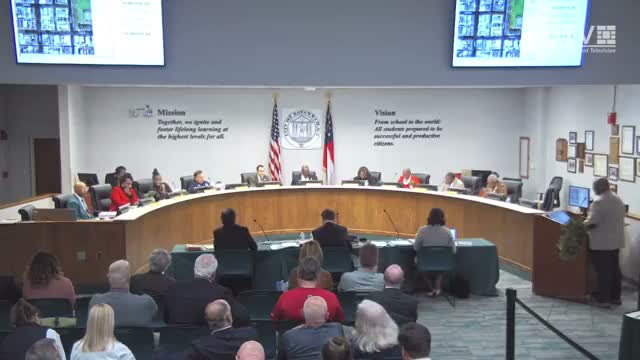
On Dec. 19 the Savannah City Council held a public hearing and moved petitions seeking a future land‑use map amendment and rezoning from TN1 to TC2 for four parcels near Forsyth Park (petitioners included Seacrest 7 LLC and Portfolio Holdings LLC). MPC staff recommended approval with conditions limiting future permissible uses to those allowed under TN1 supplemental standards; the MPC commission voted unanimously to recommend the change.
Petitioners’ representatives said the proposal is intended to introduce a mixed‑use office complex with subsurface parking designed so that, once constructed, the garage would be transferred to the city. Harold Yellin, speaking for the petitioner, said the project team worked with MPC staff to find an appropriate zoning path and that additional design approvals and site‑plan reviews would be required later by MPC and the Historic Preservation Commission.
Several residents and neighborhood representatives urged caution. Speakers said conceptual renderings shared in neighborhood meetings showed building heights and footprints exceeding TC2 standards and asked council to delay rezoning until full development plans were available. Concerns included construction impacts, potential variances, traffic, stormwater and the potential for changes to neighborhood character. Advocates of the rezoning argued that a carefully designed project could be contextual and that rezoning to TC2 with TN1 use limitations reduces the need for repeated variance requests.
Council elected to proceed with first reading rather than approving first‑and‑second readings simultaneously; petitioners will return for further review and design approvals. Council members asked that petitioner and staff continue outreach to residents and that future site plans address access, construction impacts and historic‑district protections.
Next steps: petitioner will return to MPC for development‑standards review, then to the Historic Preservation Commission for design approvals; council will take final action on rezoning in a subsequent session.