Get Full Government Meeting Transcripts, Videos, & Alerts Forever!
Get email alerts on the City Budget topic
No spam. Unsubscribe anytime.
Savannah council adopts 2025 budget, trims proposed alcohol-fee hikes and sets $18 minimum for city employees
Summary
The Savannah City Council on Dec. 19 adopted the 2025 service program and five‑year capital plan and approved a revenue ordinance that reduces an earlier proposal to raise alcohol-license fees; the manager said the adopted budget raises the city minimum wage to about $18 an hour and includes a 3% cost-of-living adjustment.
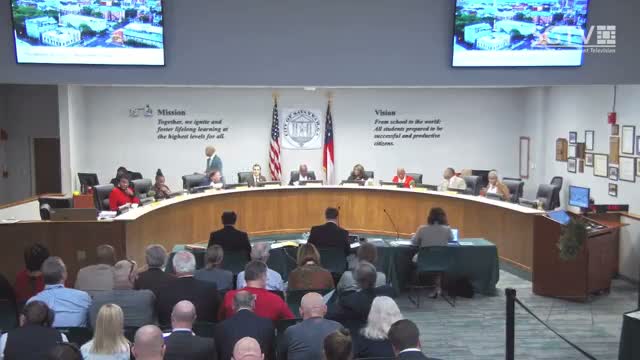
Savannah’s mayor and aldermen adopted the city’s 2025 service program and five‑year capital plan on Dec. 19 after a public hearing and discussion of revenue items affecting local businesses. The council also approved a revised revenue ordinance that trims proposed increases to alcohol-license fees, a concession officials said followed recent conversations with affected business owners.
City Manager (title used in the hearing) told the council the budget is balanced without raising the millage rate and emphasized a goal of paying city employees market wages. “The minimum wage for a city of Savannah employee in this budget will move to about $18 an hour,” the manager said during his presentation.
The manager said staff received feedback from liquor-license holders and representatives and proposed reducing the originally proposed alcohol-fee increases by half. He described the original proposal as roughly a 40% aggregate increase across many fee types and said the council would now consider a net increase of about 20% on those items after the adjustment. During the public hearing, representatives of the Georgia Restaurant Association and several small-business owners urged further adjustments or a scaled fee structure to avoid disproportionate impacts on small bars and restaurants.
Several small-business owners described the challenge of large, flat fee increases, especially when late notice makes year‑end budgeting difficult. Tom Worley, owner of Lone Wolf Lounge, said steep, last-minute fee increases make it hard for small operators to budget and urged earlier engagement on fee changes.
Council members also discussed investments in youth employment and nonprofit grant programs. The city manager said seasonal and youth employment programs had a combined budget of about $496,000 in the prior year and that the proposed 2025 budget nearly doubles that investment to about $977,000.
After debate, Alderman Nick Palumbo moved to adopt the 2025 service program and budget; the motion passed unanimously. Later, council adopted the 2025 revenue ordinance by voice vote.
The city manager and staff said they will continue regular outreach—quarterly meetings are held for alcohol-license holders—and that further adjustments and communications will be part of the 2026 budget cycle and ongoing fee reviews. Council members asked staff to return with updated reports and requested that demographic and licensing data be clarified where available. The agenda item closing the hearing also included the formal approval of multiple consent items and procurement actions tied to the fiscal plan.
The council will next consider any quarterly amendments in 2025 as revenues and priorities evolve.