
Iowa Primary Care Association outlines new behavioral-health navigation, tells Humboldt County how state realignment affects services
Get AI-powered insights, summaries, and transcripts
Subscribe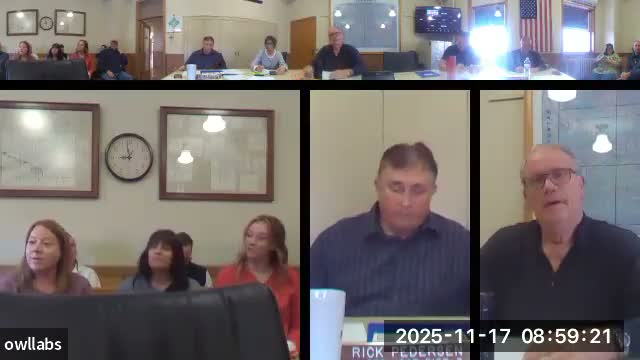
Summary
Iowa Primary Care Association representatives told Humboldt County officials that statewide behavioral-health realignment centralizes some funding and creates a district-based service navigation system; they described reimbursement rules, how substance-abuse commitments remain a county cost and shared a District 2 navigator phone line for providers and residents.
Melissa Lear, district 2 leader for the Iowa Primary Care Association, briefed Humboldt County officials on the state's behavioral-health realignment and a new service-navigation program that launched after July 1. Lear said the state split prior regional structures into seven districts and created a Behavioral Health Administrative Service Organization (BHASO) to administer many behavioral-health functions previously managed at the regional level. "I think it was 2673 by Governor Reynolds a couple years ago," Lear said, describing the statute that underpins the change.
Lear told the board counties retain key responsibilities: mental-health advocates and certain commitments remain county responsibilities under existing Iowa code. "If it is a substance-abuse commitment and a substance-abuse commitment only, that is paid for still by the county," she said, noting this has caused confusion since the state took on other behavioral-health funding.
The association also described a system-navigation service meant to connect residents and providers with short-term help and resources. Lear and system navigators emphasized that navigation is widely accessible: callers can reach navigators regardless of insurance or income; the service aims to make warm handoffs to community resources and follow up on referrals. The presenters offered a District 2 contact number for providers and partners: (515) 505-5988.
Operational details the presenters shared included reimbursement mechanics (counties can submit claims through BHASO systems and be reimbursed for certain expenses including transportation and mental-health medication costs) and examples of existing supports such as crisis services, mobile crisis teams and residential options. Lear said some activities remain county-funded, and that clear documentation helps ensure BHASO reimbursement for co-occurring cases.
Presenters also cited activity since July 1: across the statewide navigator network through Nov. 14 they reported 2,329 incoming calls and 5,524 outgoing calls, with mental-health referrals and housing needs as the highest-volume issues. The association invited county staff to use district advisory boards and to bring local billing or claims questions to Iowa Primary Care Association staff for review.
The presentation closed with an invitation to attend a district advisory meeting expected in December in Algona; presenters said advisory-board membership includes hospital behavioral-health directors, sheriffs, CEOs of regional hospitals and people with lived experience. Lear urged officials to use the navigation number and to send questions and billing examples to the association for assistance.
The briefing concluded with questions from supervisors about reimbursement, bed availability and local services; presenters encouraged the county to document co-occurring conditions in billing to help secure reimbursable payments. The district navigation phone line and the association's offer to review billings were presented as immediate next steps.