Get Full Government Meeting Transcripts, Videos, & Alerts Forever!
Get email alerts on the General Plan Hearing Format topic
No spam. Unsubscribe anytime.
Stockton planning commission adopts hearing format for general plan update, sets multi-night schedule
Summary
The Stockton Planning Commission voted to adopt a draft public‑hearing outline for the general plan update, agreeing to consecutive multi‑night hearings at the Civic Auditorium with a tentative 6:30 p.m. start and 10 p.m. stop, staff presentations first and group testimony starting the second night.
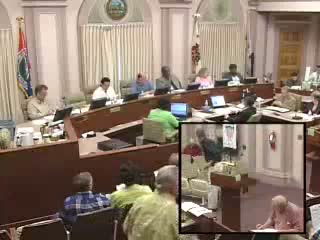
The Stockton Planning Commission on an evening workshop adopted a draft format for public hearings on the city’s general plan update, approving a multi‑night schedule at the Civic Auditorium with staff presentations the first night and group testimony beginning the second.
Senior Planner Steve Escobar told commissioners the workstream anticipates consultant responses to the draft environmental impact report "around mid April," with Planning Commission hearings possible in mid‑ to late May and City Council hearings in June and July; staff noted those dates could slip if additional review is required. "Right now we think we can do this," Escobar said, describing the timeline as an "aggressive" but achievable schedule.
The commission agreed to recommended time allocations that the staff outlined: 7 minutes for individual speakers, 40 minutes for group presentations, and 20 minutes for applicants filing specific map‑change requests. Chair Jones said the commission would aim for two consecutive nights (for example Wednesday and Thursday), a 6:30 p.m. start, and a tentative 10:00 p.m. stopping time that the commission may extend by vote.
Public commenters urged clearer scheduling and transparency. Richard Shaffer of the Murata Area Association asked for fixed nights and time blocks so community groups can organize turnout and presentation plans; Shaffer requested structured blocks such as 40 minutes for established groups and 20 minutes for map‑change presenters. Resident Ben Richwine pressed staff to show commissioners exactly what changes were made since earlier workshops, saying some insertions "magically appeared" in the map and asking for the underlying GPAT maps and the justification for each change. Staff responded that many changes were discussed during prior workshops and that final EIR responses must be completed and reviewed before firm hearing dates are published.
City Attorney Guy gave a procedural briefing to commissioners on conflict‑of‑interest rules, the Political Reform Act and annual Form 700 reporting, the Brown Act’s restrictions on serial communications and receipt of evidence outside public hearings, and local procedural rules such as time limits and quorum requirements.
Commissioner Kontos moved to adopt the draft public‑hearing outline with the additions discussed — explicitly preserving the Commission's right to call back members of the public or staff for clarification, establishing the two‑night format and time parameters, and confirming that groups would be recognized beginning the second night. The motion was seconded (the seconder’s name is not stated in the workshop transcript) and the chair announced the motion passed.
Next steps: staff will proceed with finalizing responses to the draft EIR (the consultant target is early to mid‑April), package the final EIR, and work with the Civic Auditorium on date availability. The commission indicated it will start the public‑hearing sequence once staff confirms the final documents and notices are prepared.