Get Full Government Meeting Transcripts, Videos, & Alerts Forever!
Get email alerts on the Enforcement Unlicensed Activity topic
No spam. Unsubscribe anytime.
Tennessee cosmetology board debates enforcement after repeated unlicensed activity
Summary
Board legal staff presented 76 enforcement cases and members debated whether the $1,000 per-incident civil penalty is sufficient to deter repeat unlicensed practice, with discussion of revocation for serial offenders and a planned review of the agreed-citation schedule.
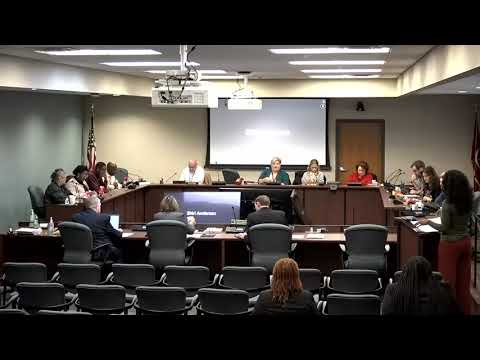
The Cosmetology and Barber Examiners Board on Dec. 2 reviewed 76 items in its legal report and spent much of its meeting debating enforcement responses to unlicensed activity, including whether the state’s $1,000 per-incident civil penalty is an adequate deterrent.
Attorney Michael Underhill told the board the legal docket includes dozens of complaints and that some shops have a history of repeated, egregious violations. “By statute, we cannot go past $1,000 per incident,” Underhill said, describing how multiple unlicensed individuals found during one inspection can generate multiple fines but that the cap per incident limits options for escalation.
Board members described enforcement scenarios that have frustrated industry stakeholders. One member said shops sometimes treat fines as a cost of doing business and then resume the same behavior; another observed that inspectors have documented people fleeing “out the back door” when regulators arrive. “I’m concerned about seeing multiple shops paying these $1,000 per incident multiple times,” a board member said during discussion.
Executive Director Roxanna Gamusio framed revocation as a last resort. “Revocation is always that last resort,” she said, adding that the board historically uses graduated remedies — letters of instruction, warnings, civil penalties and, for repeat or particularly egregious incidents, referral to formal hearings seeking revocation.
Members discussed several near-term steps: staff will bring the agreed-citation schedule to the February meeting for education and possible revision; legal staff said they can better document repeat patterns to support revocation petitions in court; and members suggested clarifying thresholds in the citation schedule for cases involving multiple unlicensed individuals detected in a single inspection.
Underhill and staff also explained practical constraints: some repeat offenses are a decade apart and courts may consider time elapsed as a mitigating factor; conversely, multiple unlicensed individuals found at once can strengthen a case for escalated enforcement. Underhill said the office will continue to assess histories before recommending revocation.
The board voted to adopt the legal report and directed staff to present the agreed-citation documentation and proposed clarifications at the February meeting so members can consider whether the citation process, communication with inspectors, or additional enforcement options are warranted.