Get Full Government Meeting Transcripts, Videos, & Alerts Forever!
Get email alerts on the Transgender Policy topic
No spam. Unsubscribe anytime.
Contentious Senate exchange over NCAA transgender participation rules raises Title IX questions
Summary
A sharp line of questioning from senators focused on the NCAA’s guidance on transgender athletes, federal court rulings, and Title IX applicability; the exchange highlighted legal uncertainty and disagreement about fairness safeguards for women’s sports.
During the same Senate Judiciary Committee hearing on sports betting and athlete welfare, several senators shifted questioning to NCAA policy on transgender athletes and whether the organization’s guidance adequately protects women’s sports.
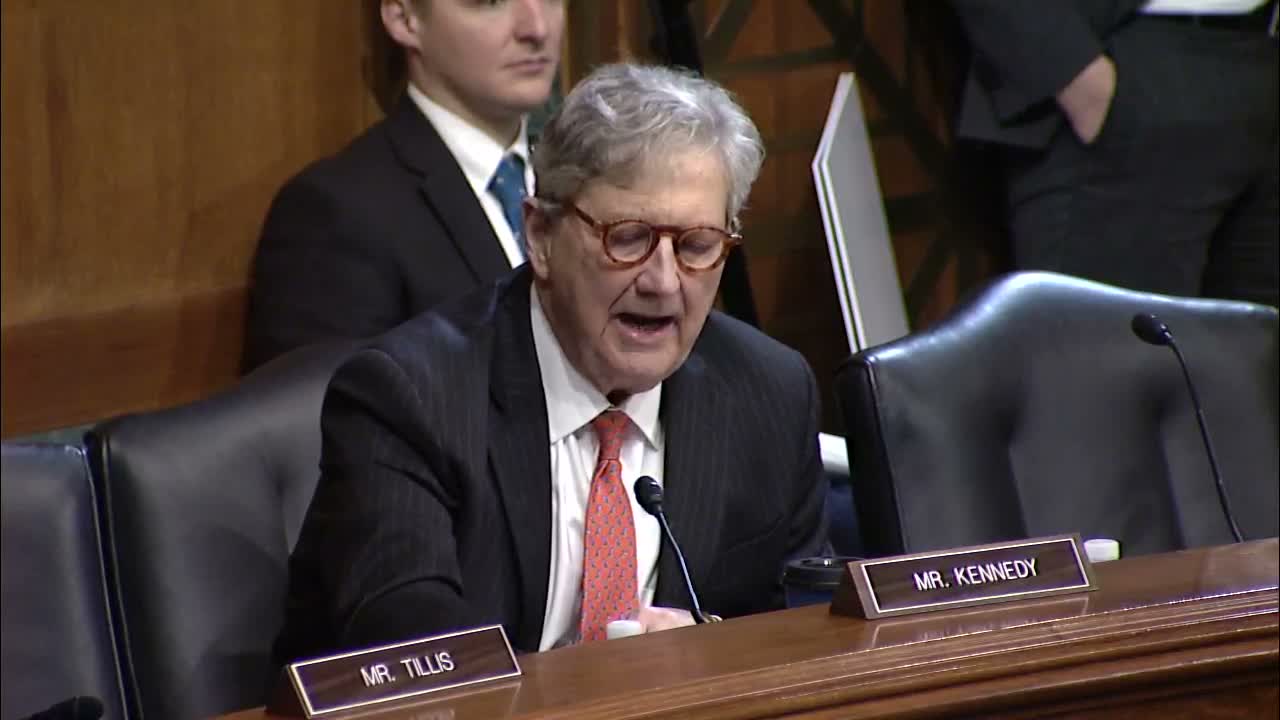
Senator John Kennedy directly asked Charlie Baker whether a “transgender woman is a biological male,” and the exchange escalated into debate over whether federal court rulings and Title IX require NCAA participation policies that permit transgender athletes to compete according to gender identity. Baker responded that recent federal court decisions have shaped the legal landscape and said the NCAA seeks clarity and would comply with applicable federal and state law, adding that the organization would welcome clearer guidance.
Senator Josh Hawley pressed Baker further, asserting the NCAA’s guidelines permit biological males to use women’s locker rooms and asking why that standard is fair to women athletes. Baker replied that the NCAA’s guidance provides flexibility to local hosts to devise appropriate accommodations and emphasized the need for legally consistent rules. The line of questioning included references to multiple recent federal cases and specific forfeiture incidents in women’s volleyball conferences cited by senators.
Baker emphasized the NCAA’s educational and integrity programs but said the organization is constrained by a patchwork of state and federal court decisions. Multiple senators demanded more definitive NCAA leadership on the issue; Baker repeatedly framed the problem as one requiring clearer federal or judicial direction rather than unilateral NCAA policy shifts.
No formal policy change resulted from the hearing; the exchange underscored competing views in the Senate about the balance between nondiscrimination law, competitive fairness, and local hosting accommodations. Senators and witnesses indicated the topic will continue to be subject to oversight and potential legislative clarification.