Get Full Government Meeting Transcripts, Videos, & Alerts Forever!
Get email alerts on the Budget topic
No spam. Unsubscribe anytime.
California Unemployment Insurance Appeals Board approves FY 2024'25 budget with $12.6M contingency reserve
Summary
The Board approved a proposed FY 2024'25 spending plan that includes funding for up to 55 additional positions, higher CAMS-related licensing costs and a $12.6 million operating reserve to cover contingencies such as interpreter services or litigation costs.
The California Unemployment Insurance Appeals Board unanimously adopted its fiscal year 2024'25 spending plan at its Sept. 18 meeting, approving personnel and operating allocations that include requested hiring capacity and a contingency reserve.
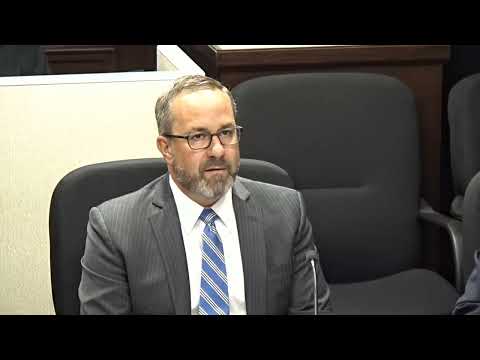
Chief Administrative Services Officer Robert Silva presented the proposed plan, describing a personnel spending plan of $49.3 million covering 444.5 positions (the package includes requests for 55 additional positions; Silva said those hires are being evaluated as the fiscal year progresses and may not all be filled). Silva said the proposed overall allocation responds to pay adjustments and CAMS-related software licensing and maintenance needs.
Silva told the Board that August operational output included 25,694 decisions issued, about 23,428 of which were in UI and PUA programs, and that migration to the California Appeals Management System (CAMS) reduced the Board's open inventory by roughly 5,000 cases. He said CAMS-related licensing and maintenance explain much of the increase in the IT share of the budget.
Key line items and reserves called out in Silva's presentation included:
- A proposed operating reserve of about $12.6 million intended to cover unanticipated litigation, interpreter costs, or later hires if workload increases; Silva described this as a contingency reserve.
- An interpreter services allocation increased to roughly $1.4 million to reflect last fiscal year's expenditures.
- Postage projections of about $1.0 million, driven by higher case dispositions and a postal-rate increase.
- A proposed staffing request of 55 positions costing an estimated $3.9 million in salaries for the fiscal year, with Silva noting many requested positions may be adjusted when branches revalidate needs during the fiscal year.
Board members asked clarifying questions about training reductions despite planned hires, where closed paper files are stored after CAMS implementation (Silva said many offices keep closed case files in-house and use confidential destruction contracts rather than sending files to the state records center), and whether interpreter no-shows are paid (Silva said he would report back with specifics).
Member Waikovsky moved to adopt the 2024'25 budget; Member Ng seconded. The motion passed by unanimous vote. Chair Allen thanked management for planning staffing and budget contingencies and said the plan positions the agency to absorb possible reductions or changes in workload without immediate personnel harm.
The Board adopted the budget and then adjourned.