Get Full Government Meeting Transcripts, Videos, & Alerts Forever!
Get email alerts on the Bounty Bag Program topic
No spam. Unsubscribe anytime.
Senators press airlines over gate‑agent 'incentive' programs tied to carry‑on enforcement
Summary
Lawmakers displayed internal airline documents and video alleging $10-per‑bag incentives for gate agents and pressed carriers to stop incentive programs that may encourage gate‑level enforcement and passenger removals; some carriers acknowledged incentives or suspended programs, and American, Delta and United pledged not to adopt them.
WASHINGTON — Senators pressed airline witnesses on Dec. 4 about incentive programs that reward gate agents when they enforce carry‑on rules, showing internal documents and a video of an agent exchange at a Frontier gate.
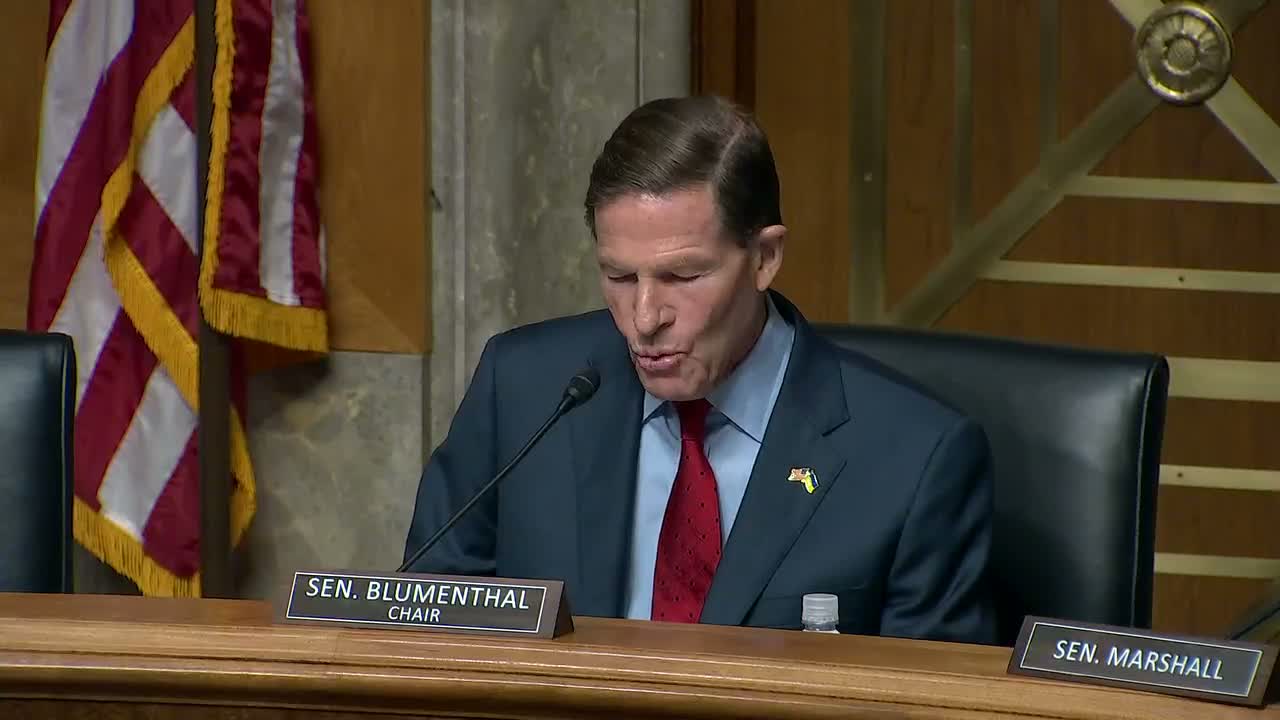
Chairman Richard Blumenthal described internal documents indicating Frontier paid $10 to gate agents each time they identified a carry‑on that should have been checked, and said a company estimate forecast roughly $40,000,000 in first‑year revenue tied to such enforcement. Blumenthal called the practice a "bounty bag" program and said it contributed to surging customer complaints.
Under oath, Frontier’s Bobby Schroeder said he would not characterize the program as a "bounty," calling it an incentive intended to improve compliance and boarding efficiency. Schroeder acknowledged the $10 incentive in later questioning. Spirit’s Matt Klein said Spirit had previously used an incentive program but suspended it on Sept. 30 and added extra supervisory staffing at gates to enforce policies more equitably.
Senators pressed for commitments to end such incentives. American’s Steven Johnson said American would not adopt a bounty program. Delta’s Peter Carter said the company would not endorse that business practice, and United’s Andrew Nocella said it was inconsistent with United’s brand and they would not do it.
What happened on the record: senators showed a short video of a gate confrontation they said originated at a Frontier gate. Witnesses described company policies, low complaint rates (Frontier cited DOT baggage‑fee complaint rates of about 1 per 2.5 million passengers) and internal review processes for agents with high complaint levels. But senators said the video and documents illustrated how the incentive structure can harm customers at the gate and create appearance of harassment.
The committee left the record open for supplemental material and requested additional documentation from carriers about incentive payments and their internal oversight of gate‑level enforcement.