Lifetime Citizen Portal Access — AI Briefings, Alerts & Unlimited Follows
Senate subcommittee grills airlines over mounting ancillary fees, presses DOT to act
Loading...
Summary
Senators on the Permanent Subcommittee on Investigations pressed five major U.S. carriers about rising ancillary fees, data collection before price disclosure, and litigation blocking a DOT disclosure rule, urging the department to finalize a family-seating transparency rule and investigators to probe tax and consumer-protection concerns.
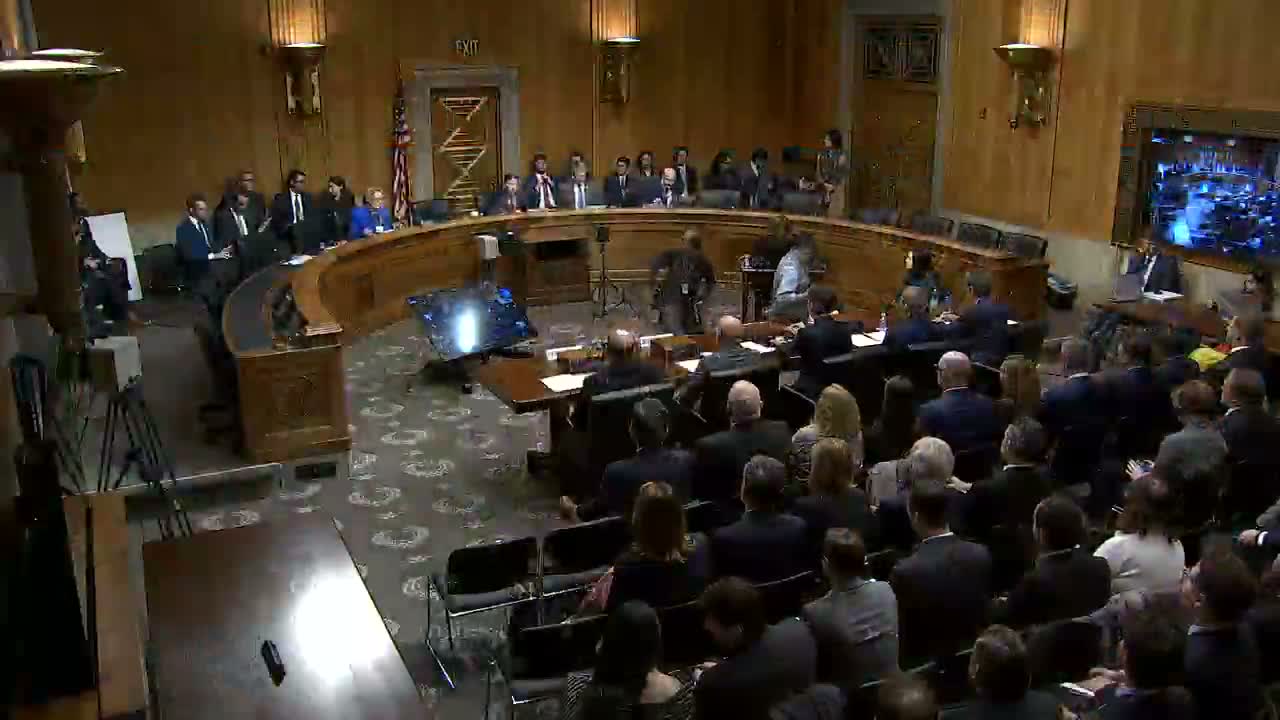
WASHINGTON — Senators on the Senate Permanent Subcommittee on Investigations on Dec. 4 pressed executives from American, Frontier, Delta, Spirit and United over the growth of ancillary fees and the opacity of airline pricing, asking regulators to finish a rule they said would restore transparency for travelers.
“Passengers now are forced to pay extra for almost everything,” Chairman Richard Blumenthal said in opening remarks, citing the subcommittee’s investigation and calling fees “junk” when they are concealed from shoppers. Blumenthal said the five carriers generated $25,300,000,000 in checked-bag fees over the past six years and that seat fees alone produced about $3,000,000,000 in 2023 for the five carriers the panel studied.
Blumenthal entered two letters into the hearing record requesting investigations by the Treasury and the Department of Transportation into potential excise-tax avoidance and consumer-protection practices.
Executives defended unbundling as consumer choice. Steven Johnson, vice chair and chief strategy officer at American Airlines, said American “offers low fares” and that optional products are “clearly disclosed” on the carrier’s website. Bobby Schroeder, Frontier’s senior vice president and chief commercial officer, said Frontier’s unbundled model “enables Frontier to keep its base airfares extremely low” and described its disclosure practices as consistent with DOT rules. Peter Carter of Delta, Matt Klein of Spirit and Andrew Nocella of United made similar arguments that unbundling gives consumers options and that many customers pay no ancillary fees.
Senators probed several areas: whether carriers would drop litigation that has blocked part of a DOT rulemaking (none committed to doing so); why passengers sometimes must provide name, gender, date of birth, and ZIP code before seeing seat-price information (carriers gave mixed answers, saying some data are used for discounts or booking completion but pledging reviews); and whether airlines can or do tie fees to internal costs.
Lawmakers repeatedly raised concerns about dynamic pricing, algorithms and nascent use of artificial intelligence, warning that targeted, customer-specific pricing could produce inconsistent fees for the same flight. Senators asked executives for commitments to avoid weaponizing personal data for price-setting; no company offered a universal, across‑the‑board pledge not to use AI or algorithms for customer‑specific price differentials in the future.
The committee also focused on industry structure. Senators said consolidation has left four carriers controlling roughly 70% of the domestic market and flagged co-branded credit-card programs and hub dominance as barriers to competition.
The hearing record will remain open for two weeks for additional responses.
What’s next: The subcommittee has asked DOT to finalize the disclosure rule implementing the family‑seating statutory mandate, and Blumenthal asked DOT and Treasury to investigate potential tax and consumer‑protection issues the subcommittee identified.