Citizen Portal

Senate EPW Subcommittee hearings spotlight PFAS risks, trade-offs for essential uses

Environment and Public Works: Senate Committee · December 5, 2024

Get AI-powered insights, summaries, and transcripts

Subscribe
AI-Generated Content: All content on this page was generated by AI to highlight key points from the meeting. For complete details and context, we recommend watching the full video. so we can fix them.

Summary

Scientists testified that PFAS — so-called forever chemicals — are widespread in water, food and consumer products and linked to birth-weight declines, immune effects and fatty liver; industry witnesses warned of risks to semiconductors, medical devices and firefighting if regulations are overly broad.

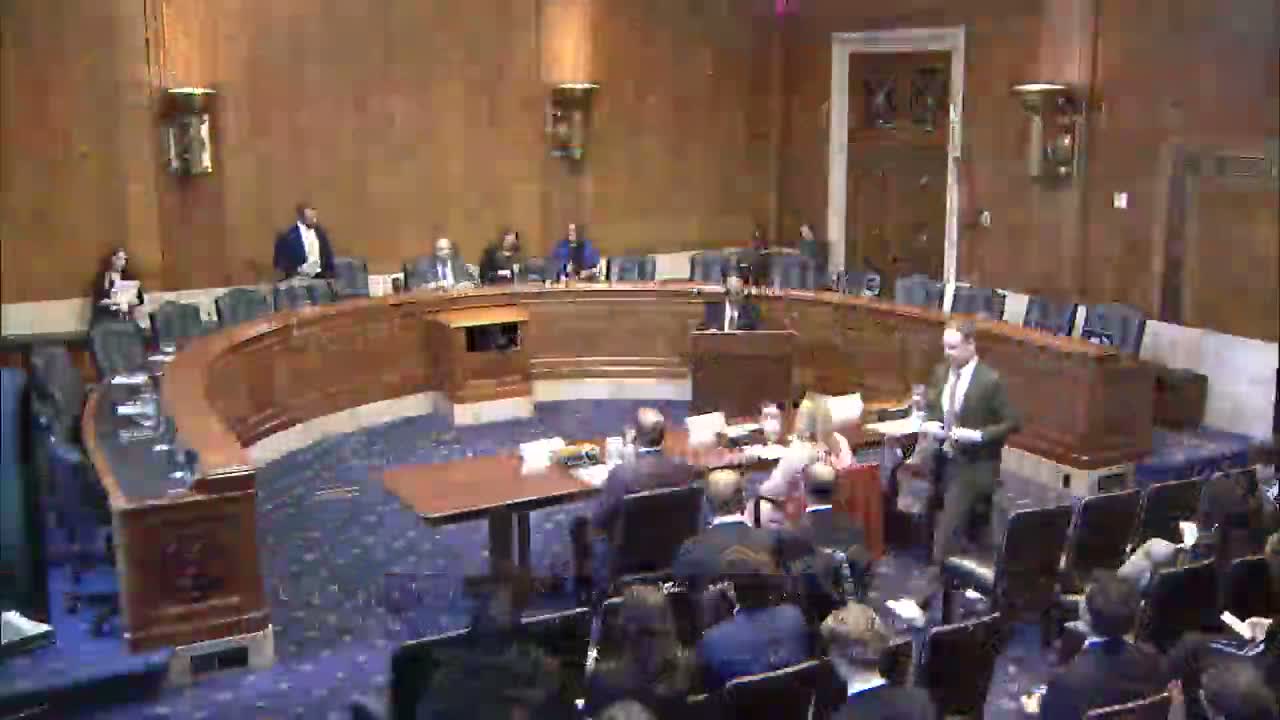
The Senate Environment and Public Works subcommittee convened a hearing titled "Everyday Exposure: Examining PFAS Pollution and Its Impacts on Human Health," where scientists, toxicologists and an industry representative outlined both the health risks tied to PFAS and the practical trade-offs policymakers must weigh.

Senator Jeff Merkley, opening the hearing, framed PFAS as pervasive and durable: "In other words, it's impossible to avoid PFAS," he said, listing common sources from nonstick pans and food packaging to firefighting foam and biosolids. He noted EPA findings that some PFAS have "no safe level in drinking water" and cited studies linking PFAS to cancers, thyroid disease and developmental harms.

Dr. Laurel Shader, senior scientist at Silent Spring Institute, told the committee that PFAS are "in our water, our food, consumer products, even in the air and dust in our homes," and argued for comprehensive strategies to "identify and reduce exposures, support impacted communities, and ultimately eliminate unused unnecessary uses of these harmful chemicals." Shader noted the EPA's new drinking-water standards cover six PFAS but said those rules address only a fraction of the more than 14,000 chemicals classed as PFAS.

Toxicologist Dr. Sue Fenton of North Carolina State University summarized laboratory and epidemiological evidence linking PFAS exposure to harms across the life course. Drawing on animal studies, she described dose-dependent reductions in birth weight and lactation deficits and said human studies show consistent associations: "Some of the things that we have in common are thyroid disease, changes in fatty liver, [and] immune suppression," Fenton said, adding that some replacement PFAS (commonly called GenX) produce similar effects in animal studies.

An occupational and industry witness representing an association identified in the transcript as AIHA emphasized essential industrial uses. "The use of PFAS chemicals is vital to the critical infrastructure of the United States," the witness said, warning that a broad, undifferentiated ban could disrupt semiconductors, medical devices and defense systems and described trade-offs around aqueous film-forming foams (AFFF) used to fight large industrial fires.

Committee members pressed on specific exposure pathways and regulatory options. Senator Mullen queried whether PFAS in microwave popcorn bags, phone touch screens or cookware meaningfully transfer into blood; witnesses pointed to studies showing food packaging contamination and noted inhalation, dermal contact and ingestion as important routes. When asked about removal from drinking water at the parts-per-trillion levels in the EPA rules, witnesses said municipal-scale technologies such as granular activated carbon have been implemented in multiple U.S. cities, but they cautioned that such systems impose disproportionately high costs on small water systems.

Senator Wicker raised whether fluoropolymers such as PTFE used in defense and medical applications are less bioavailable and therefore less dangerous. Witnesses answered that large fluoropolymers can be less bioavailable but stressed lifecycle risks — manufacturing, worker exposure and disposal — mean even those uses require scrutiny. Senator Markey asked about incineration and environmental-justice consequences; witnesses recommended careful monitoring and additional research into destruction and containment technologies.

Witnesses urged several policy actions that ranged from labeling consumer products and expanding PFAS blood testing coverage to funding research into safe destruction methods and ensuring manufacturers bear cleanup costs. Dr. Fenton asked the panel to support measures that require PFAS producers — not taxpayers — to fund development of destruction technologies.

The committee closed with procedural follow-up: members may submit materials and written questions for the record through the close of business on December 19, and the chair requested that witnesses return answers by January 9. The hearing was then adjourned.

The hearing underscored a central policy tension: scientists urged aggressive action to reduce exposure, citing consistent evidence of harm, while industry and some senators urged cautious, use-specific regulation to avoid unintended impacts on critical infrastructure and medicine. The record shows clear agreement on the need for more monitoring, better standards for small water systems, and investment in safe PFAS destruction or containment technologies.