
Gadsden Elementary principal presents student assessment snapshot, lays out three-point plan to close gaps
Summary
Principal Pamela Anderson presented PM3-to-PM1 assessment results showing increases in students scoring at the lowest level in several grades, reported attendance and discipline figures, and outlined a three-point strategic plan to close ELA gaps, strengthen science, and sustain math performance.
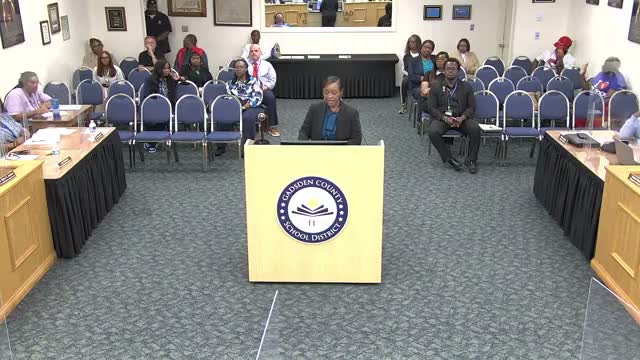
Pamela Anderson, principal of Gadsden Elementary Magnet School, briefed the school board on recent assessment data and a strategic plan targeting the school's lowest-performing students.
Anderson presented grade-by-grade counts from last year's end-of-year assessment (PM3) and the first administration of the new school year (PM1). She reported increases in the number of students at performance level 1 (the lowest category) on the PM1 administration in several grades compared with last year's PM3. For example, Anderson said third grade moved from one level-1 student at last year's PM3 to six level-1 students on this year's PM1. She read summary counts for grades 3'8 across ELA and math performance levels and noted areas of strong proficiency in previous results (for instance, third-grade math proficiency was described as 100% at PM3 last year).
Anderson also provided non-academic snapshots: attendance figures for students with attendance below 90% (kindergarten: 4; first grade: 2; second grade: 0; third: 1; fourth/fifth/sixth: 3 each; seventh: 2; eighth: 1) and a small number of recent discipline referrals by grade with most recent referral dates cited.
Her three strategic priorities are: 1) close the achievement gap for the lowest 25% in ELA through high-intensity small-group interventions, expanded diagnostic data use, and evidence-based literacy programs; 2) strengthen science achievement toward state averages with inquiry-based learning, vertical alignment, and weekly standards testing; and 3) sustain high math performance while improving learning gains using enrichment for high performers, targeted conceptual instruction for students near benchmarks, and progress monitoring.
Anderson identified specific tactics such as pairing middle-school teachers with lower-level students for interventions, using Study Island for skill practice, and implementing classroom-level "laps" and progress monitoring to track gains. Board members said they would reserve detailed questions for a later time.
Direct quote: "Number 1, I wanna close the achievement gap for the lowest 25% in ELA," Anderson said, outlining her first strategic priority.
Next steps: Anderson will return with more detailed data and members indicated they would follow up with questions outside the meeting time. The transcript does not record follow-up deadlines or required district-level approvals for the proposed tactics.

Create a free account
Unlock AI insights & topic search