Get Full Government Meeting Transcripts, Videos, & Alerts Forever!
Get email alerts on the Transportation topic
No spam. Unsubscribe anytime.
School board weighs Highland electric-bus plan as vendor cites $395,000-per-bus funding and Nov. decision deadline
Summary
Board members discussed a vendor proposal to install charging infrastructure and provide eight electric buses using grant funding; the vendor said federal funds and a $395,000-per-bus subsidy are available but final federal sign-off and expiring tax credits mean the company seeks a district decision by Nov. 18. No formal vote was taken.
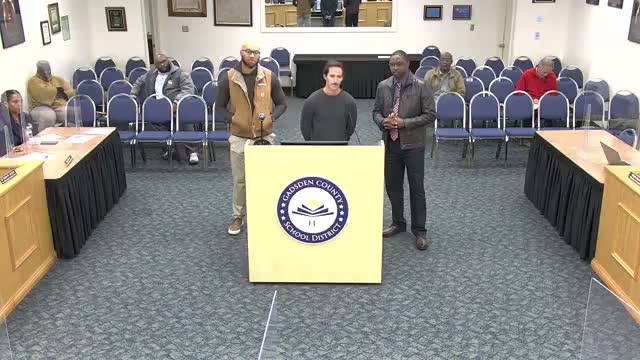
Gadsden County School Board members spent the meeting questioning a vendor proposal to add eight electric school buses and on-site charging infrastructure that the vendor says is supported by federal grant funds.
The company representative explained the grant and funding status and emphasized that the district would incur no costs until a site is “operational and functional,” but the arrangement is contingent on final federal approval and retaining full grant balances. “We have the funds,” the presenter said, adding that the award is tied to keeping about $395,000 per bus for the sites the vendor described.
Board members pressed on reliability, range, costs and procurement. One board member questioned whether electric buses could handle long-distance field trips, asking, “What's the probability of that battery running out from from here to here to Havana?” Transportation staff and presenters responded that the proposal covers eight buses only, that diesel buses would be retained for long runs, and that battery ranges for the proposed vehicles were discussed at about 130 miles on appropriate routes.
Cost, contract and timing featured prominently. Presenters said the district could expect roughly $136,000 per year for eight buses (about $17,000 per bus per year) under a 12-year contract; at term end the district would need to renew the agreement or replace vehicles. The vendor presented financing comparisons and said buying diesel buses outright at about $166,000 apiece would still leave the district “looking at a savings of over $1,000,000” when accounting for the grant-supported electric option and lifecycle costs.
Timing is a factor: the vendor said tax credits and other incentives are expiring in November and asked that the board consider the proposal at the Nov. 18 meeting. The presenter also said the company aims to have a site ready before July, subject to federal sign-off.
Board members raised additional operational concerns, including contract limits on miles (a 10,200 miles-per-year guideline was cited), the need to average mileage across two years, spare-fleet recommendations (district staff noted DOE guidance suggesting roughly 10% of a fleet be held as spares), and parts shortages affecting older diesel buses. Transportation staff described aging vehicles, parts delays and rising inspection-mileage on remaining buses as drivers of urgency. “We're running buses down these 14, 15 year old buses,” a staff member said, describing frequent emission-system failures and parked buses awaiting parts.
The vendor said other manufacturers (Bluebird, Thomas Built Buses, International) supply electric buses and that the company can work with multiple chassis providers; but the vendor argued it could shift a group award of roughly $3,000,000 to priority districts and that the district would not be charged until sites were functioning.
No formal action or vote on the Highland proposal was recorded at the meeting. Board members asked for the vendor’s presentation materials and said they expected to make a decision in the coming week or by the next board meeting. The meeting concluded after a motion to adjourn was moved and seconded.