
Beaver County officials discuss tighter credit‑card controls and flag questionable purchases
Get AI-powered insights, summaries, and transcripts
Subscribe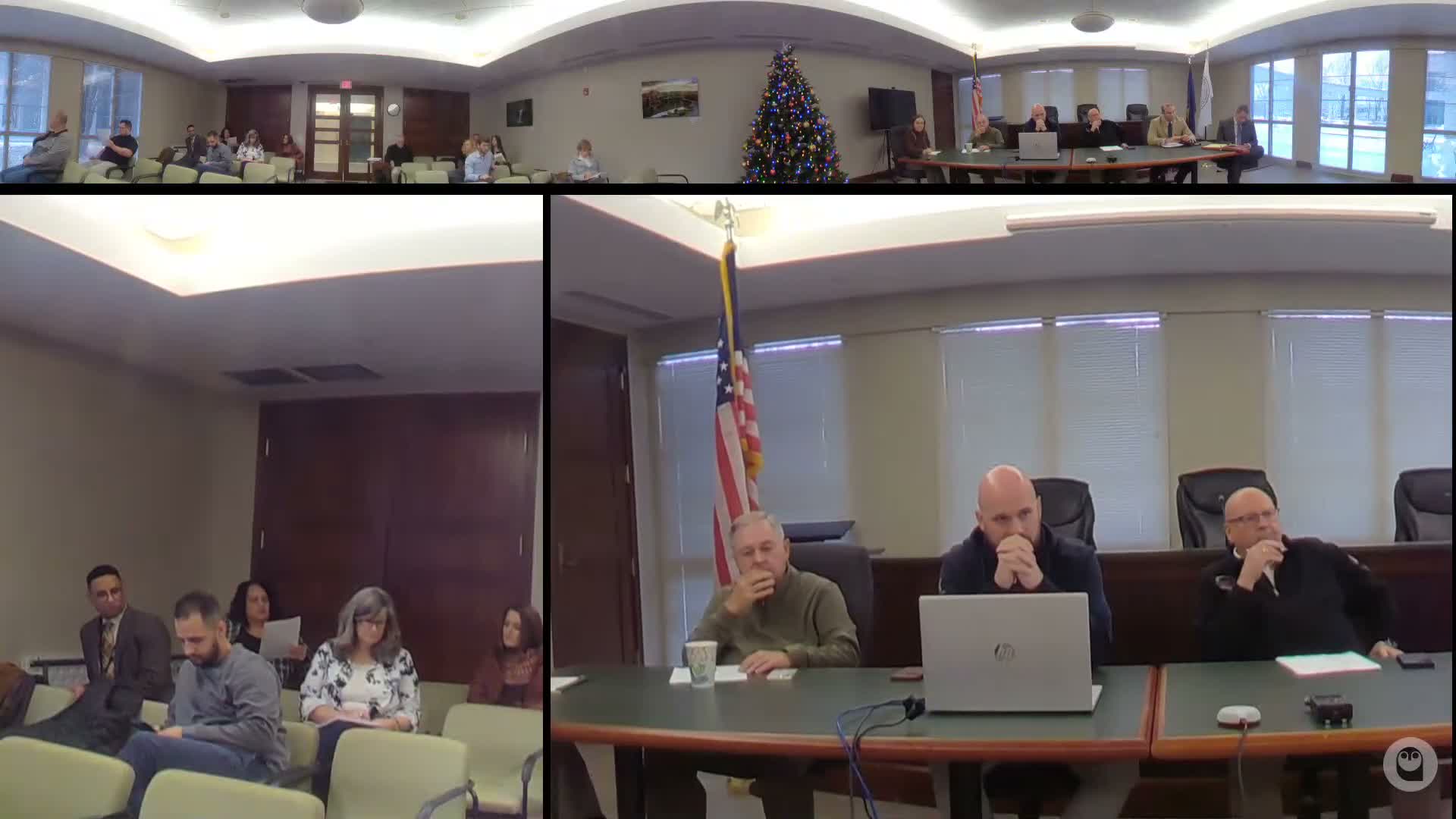
Summary
Commissioners and a department speaker raised concerns about promotional items with personal names, repeated meal and travel charges, and sheriff deputy allowances; the board discussed removing departmental credit cards, issuing fuel cards, enforcing reimbursement, and pursuing documentation or referrals to ethics/legal offices.
At a Dec. 3 Beaver County work session, an official (Speaker 1) criticized a range of county purchases — from $3,200 in promotional items bearing personal names to repeated meal charges and unusually large tips on departmental credit cards — and argued those expenditures contributed to the county’s budget shortfall.
Speaker 1 called some purchases "unethical" and said prior referrals to the attorney general and ethics board had not led to enforcement. "It is unethical," he said of using county funds to benefit elected officials’ positions. Speaker 2 responded that legal counsel had advised the purchases did not necessarily violate the law as transcribed and asked for any allegations or documentation to be provided in advance so the board could follow up.
The board discussed concrete policy options to curb misuse: eliminating departmental credit cards in favor of purchase orders except for travel, issuing fuel cards for vehicle fuel, holding department heads responsible for custody of any cards, and enforcing reimbursement procedures for meal charges. Speaker 2 recommended that if the ethics commission or legal counsel rules the purchases improper, the county would seek reimbursement from responsible parties.
Officials also debated uniform and jacket purchases that departments described as "uniforms" but which Speaker 1 said had not been typical historically; the board agreed the purchases tie back to broader procurement controls. The solicitor’s office announced it would take two items into executive session — a personnel matter and a negotiation matter — and the public meeting moved into executive session.
What happens next: Commissioners asked staff to inventory credit‑card charges cited during the meeting, provide backup for promotional and uniform purchases, and return with recommended policy language to restrict credit‑card use and clarify allowable uniform purchases.