Child-care providers and parents urge Kalamazoo County to invest in vouchers, wage supports
Loading...
Summary
Multiple public commenters at the Dec. 2 Kalamazoo County meeting said local childcare is scarce and unaffordable; providers and advocacy groups asked the board to consider vouchers, employer TriShare supports and county investment to stabilize programs and retain staff.
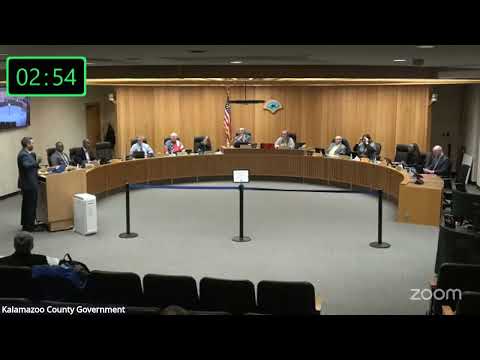
Speakers at the Kalamazoo County Board of Commissioners’ Dec. 2 Committee of the Whole meeting put childcare shortages at the center of public comment, asking the county to consider local investment and new subsidy tools.
Emily Britton, public policy manager at YWCA Kalamazoo, told commissioners the agency served about 140 families and more than 180 children in 2024 but cannot meet local demand amid declining government funding and low wages for early childhood educators. "Access to child care and fair wages for those who do the work is a community wide problem that requires a community wide solution," Britton said.
Advocates and providers outlined a range of specific problems and proposals. Jake Yan of the Michigan Transformation Collective summarized listening sessions with 72 local parents and providers, saying the system is "broken" and describing examples of providers paying teachers as little as $10–$21 an hour and families who cannot find infant care. Jermaine Robinson, executive director at Pre K International Child Care Center, asked the board to consider an early-childhood voucher program that would provide predictable support to infants and toddlers and reduce disruptions caused by subsidy delays. "This is an equity strategy," Robinson said.
Beth Berglund of the Michigan Transformation Collective cited state and national estimates of economic loss tied to childcare barriers and outlined a proposal to reimburse small businesses for a TriShare employer share while creating a county sliding-scale voucher for families to use at any licensed provider in Kalamazoo County.
The public commentators tied staffing shortages and low wages to family economic outcomes: they said closures force parents to reduce hours or leave the workforce, harming both households and the broader local economy. Commissioners listened and thanked speakers, and several commissioners expressed openness to continued county partnership and targeted solutions.
Next steps: The board did not vote on a policy at the meeting; speakers asked the county to explore vouchers, employer incentives, and measures to stabilize subsidy payments.