
Panel questions probable‑cause findings in paired drug‑arrest appeals; defense stresses lack of nexus
Get AI-powered insights, summaries, and transcripts
Subscribe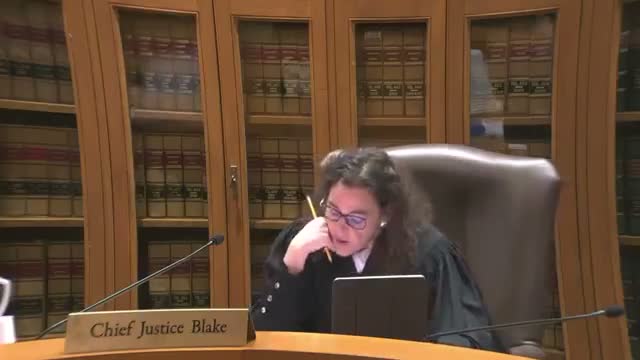
Summary
In paired appeals challenging car stops, arrests and search warrants, the Commonwealth argued officers had probable cause once drugs were found in a buyer's car; defense counsel said association with people who had drugs did not establish probable cause to arrest or to search defendants' apartments. The court took the cases under advisement.
The appeals panel heard argument in two paired cases (Commonwealth v. Raul Cruz Rosario and Commonwealth v. Enrique Cruz Rosario) concerning whether police had probable cause to arrest and whether warrants were supported by a sufficient nexus to particular apartments.
Michael Locke, for the Commonwealth, acknowledged that two prior suspected drug‑transaction incidents described in warrant affidavits were not part of the evidentiary hearing record but argued that officers nonetheless had probable cause based on their observations on the arrest day and the later discovery of stamped heroin in the buyer’s car. Locke emphasized that officers observed a short, furtive interaction, one defendant reaching into a vehicle map pocket, and ultimately found drugs and a large quantity of contraband on the arrested parties.
Defense counsel for Enrique and Raul Cruz Rosario countered that the record did not establish an actual transaction linking the defendants to the drugs found on others. Counsel argued longstanding precedent bars inferring probable cause merely from association and cited multiple cases (including Hill and Fraser) to say seeing a defendant associate with people carrying drugs does not by itself authorize an arrest or a search of the defendant’s residence. They also objected to supplementation of the trial judge’s findings with facts the judge did not explicitly credit; if supplementation would require reversal, counsel said a remand to the trial court would be appropriate.
The panel pressed both sides on the timing and identification of vehicles involved (Infinity vs. Santa Fe), whether officers observed furtive movements sufficient to infer an exchange, and what factual findings the motion judge explicitly made. After argument the court took the paired appeals under advisement.