
Panel questions whether street pursuit was a seizure in Pires suppression argument
Get AI-powered insights, summaries, and transcripts
Subscribe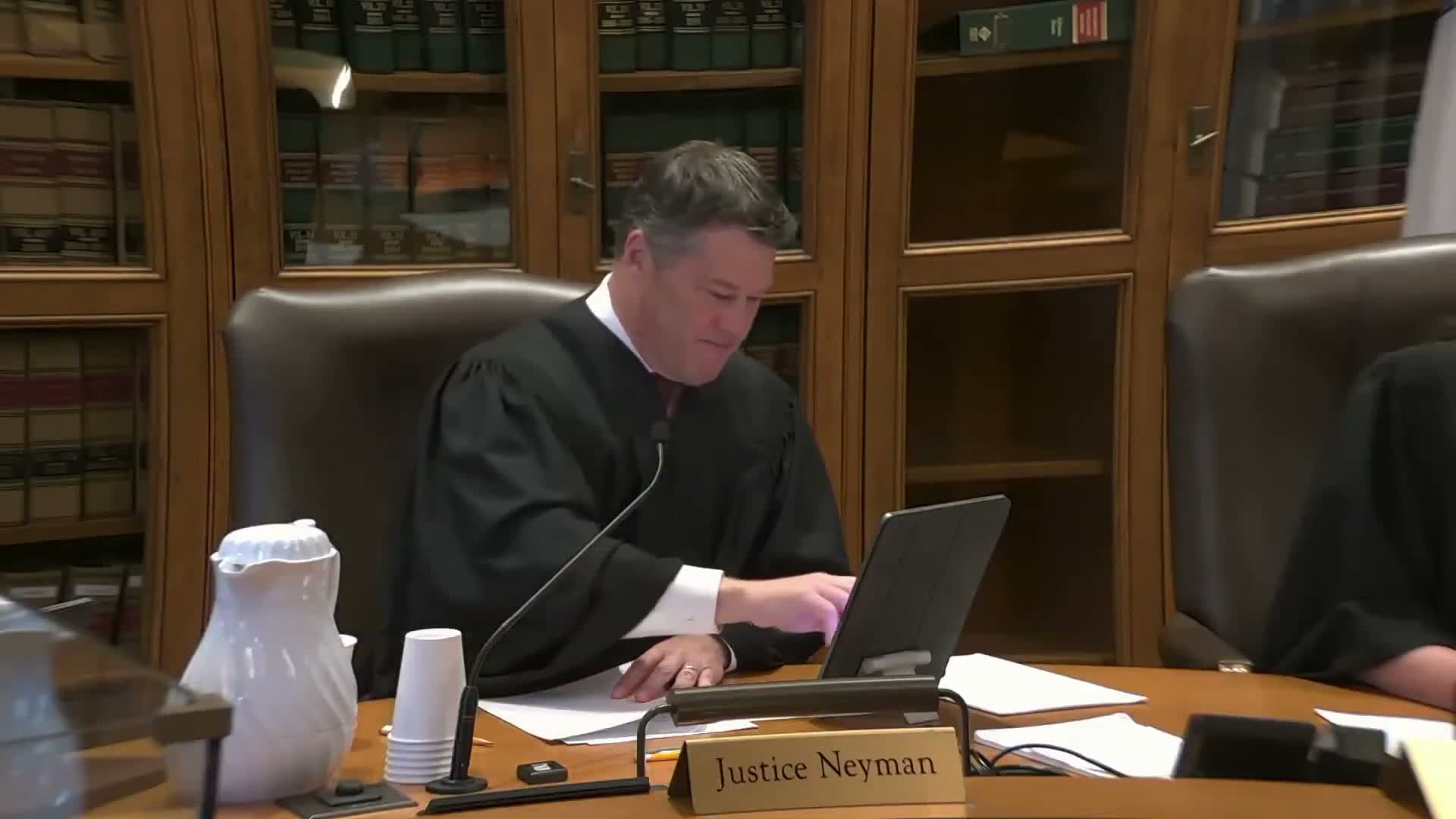
Summary
Counsel for Levon Pires urged the Appeals Court to suppress evidence because a single‑officer pursuit and attendant comments, the defense said, amounted to a seizure; the Commonwealth argued the short, casual pursuit did not meet the legal standard for seizure and that prior‑shooting evidence was admitted for a limited contextual purpose.
The Massachusetts Appeals Court on Dec. 4 heard argument in Commonwealth v. Pires about whether police conduct during a brief street pursuit amounted to a seizure and whether certain evidence admitted at trial (a nearby shooting and a Snapchat post) was prejudicial without a limiting instruction.
Attorney Zendroski, representing Levon Pires, told the panel the facts support treating the chase as a seizure because an officer approached, called out to the defendant and then followed him on foot; Zendroski argued the combination of pursuit plus the officer’s words and the surrounding circumstances could objectively communicate police authority and therefore should have triggered constitutional protections and suppression analysis.
The court pressed counsel on precedent, including Commonwealth v. Palmer and Franklin, and whether those cases require multiple officers, verbal commands or other overt shows of authority for a seizure to occur. Zendroski acknowledged the record lacks the defendant’s testimony but argued the circumstances (close distances, officer statements, and subsequent discovery of a weapon) support his position. He also argued that trial counsel could not cure the prejudice created by evidence suggesting an unrelated shooting in the neighborhood and social‑media posts implying the defendant carried a firearm.
Commonwealth counsel Christopher Amoroff responded that settled Massachusetts law disfavors treating mere pursuit or casual salutations as a seizure; he noted the short time span, lack of flashers, and absence of aggressive commands and argued the prior‑shooting evidence was relevant to explain the police officers’ state of mind and investigatory focus. Amoroff said jury instructions prohibiting speculation and the in‑court questioning of jurors supported the trial court’s decision to deny a mistrial.
The justices tested both sides on what an objectively reasonable person would have believed and asked whether an officer’s casual greeting combined with a short chase would be sufficient to convey coercion. After questioning the court thanked counsel and submitted the case.
The panel took the arguments under advisement with no immediate ruling.