Appeals court hears Batson and extraneous‑information arguments in Rentala case
Loading...
Summary
Appellant counsel argued the trial judge erred by allowing a peremptory strike the defense says masked gender bias and that jurors learned prejudicial extraneous information, while the Commonwealth defended the judge’s factual findings and juror colloquies; the panel submitted the case after questioning both sides.
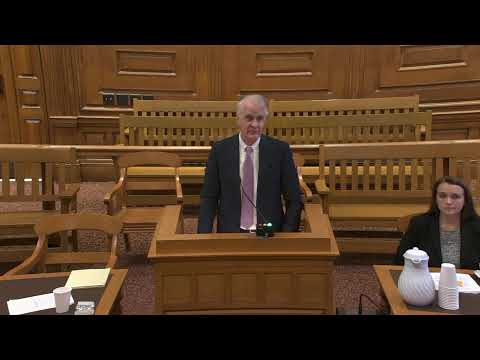
A three‑judge panel of the Massachusetts Appeals Court heard oral argument Dec. 4 in Commonwealth v. Rentala, where defense counsel Melissa Ramos urged that the trial court abused its discretion by allowing a peremptory strike the defense says was a pretext for gender discrimination and that jurors were exposed to extraneous information so prejudicial a mistrial was required.
Ramos told the court the core of her Batson argument is that ‘‘each individual juror has the right to be evaluated in a nondiscriminatory way’’ and that the prosecutor’s stated reason — the juror’s schedule, age and perceived lack of life experience — was a pretext for excluding a woman (juror 40). Ramos pointed to the trial record, she said, where similarly situated male jurors gave comparable answers yet were treated differently, and she urged the panel to review whether the judge’s cursory findings met the meaningful‑consideration standard under controlling Batson doctrine.
In a second line of argument, Ramos told the panel the jury had been exposed to extraneous information (references at trial to a prior jury’s finding and to the defendant’s custody) that could not be cured by voir dire and that, given the totality of the circumstances, only a mistrial would have remedied the prejudice.
Assistant District Attorney Cynthia Von Flaydern, seated with trial counsel Steven Gagne, responded that the record shows the trial judge carefully interviewed prospective jurors, applied peremptory‑challenge rules within his discretion, and explained why the Commonwealth viewed the jurors as distinguishable (for example, differences in age, work status, and life experience). Von Flaydern emphasized precedent allowing broad trial‑court deference on credibility and reason‑finding and pointed to case law supporting in‑court colloquies and in‑camera inquiries as adequate safeguards when limited extraneous information is reported.
The panel extensively questioned both sides about comparative juror analysis, the factual basis underlying the strike of juror 40, and whether voir dire and judicial follow‑up could cure the prejudice Ramos described. After extended exchange the court thanked counsel, called the arguments well briefed and submitted the case for decision.
The Appeals Court took the case under advisement; no ruling was announced from the bench.