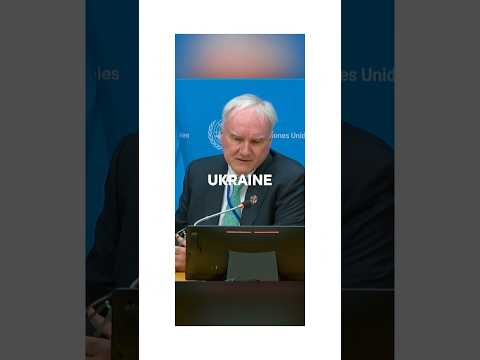
Humanitarian coordinator says ceasefire remains distant as Kherson endures daily shelling
Loading...
Summary
A resident and humanitarian coordinator described daily shelling in Kherson, Ukraine, and contrasted aboveground devastation with an underground maternity ward rebuilt with European funding and supported by WHO colleagues.
The resident and humanitarian coordinator said the conflict shows "no signs" of ending and that "it doesn't feel like we're anywhere close to a ceasefire." The speaker described a recent visit to Kherson in southern Ukraine and painted a picture of persistent violence and civilian harm.
"The war continues unabated," the coordinator said, and cited local reporting that Kherson has experienced shelling "every day this year, not a single day into 2025 without shelling." Above ground, the coordinator said, the city felt "desolated" and largely empty compared with earlier visits.
The coordinator recounted being taken to an underground maternity ward in Kherson, which was "rebuilt or built with European funding and and the WHO colleagues involved." The description underscored the contrast between the "horror of war" visible above ground and humanitarian efforts underground to help women give birth.
The coordinator framed those scenes as evidence of civilian resilience and the human cost of the fighting: "People's lives are being damaged. People are being killed and injured," they said, adding that occasional "moments of cautious optimism" have not translated into meaningful progress toward ending the conflict.
Speaking in the capacity of resident and humanitarian coordinator, the speaker said that any negotiation over the country's future must include the country itself. "You cannot negotiate the future of a country, at war without the country being at the table," they said.
There were no formal actions or decisions reported in the remarks; the comments were delivered as an on‑the‑record assessment of conditions observed during the coordinator's visit to Kherson.