Greene County MAT patients describe recovery as county expands treatment options
Loading...
Summary
Three residents credited Greene County's medication-assisted treatment program for sustained sobriety; county harm-reduction coordinator reported 93 active patients, new injectable medications used by 40% of participants, and ongoing follow-up for people leaving the program.
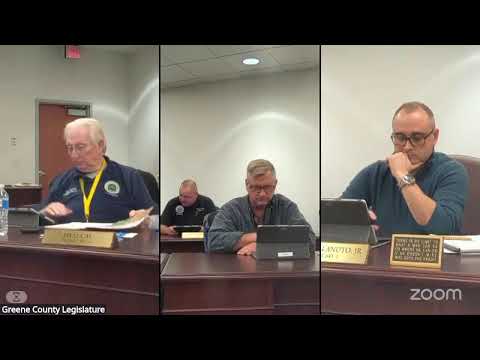
Three people who have been in Greene County’s medication-assisted treatment (MAT) program told the county Health Services committee on Dec. 3 that the program helped them stop using opioids and rebuild their lives.
Brianna Gaines, who said she will mark four years sober on Dec. 14, described a history of IV drug use, homelessness and depression before entering treatment. “This is the first time in my entire life where I don’t want to die,” Gaines said, crediting medication, daily meetings, sponsors and steady supports for changes including steady employment and reconnecting with her child.
Lindsay, who said she became dependent on opioids after a severe car accident and has been sober more than a year, told legislators Greene County’s MAT program was “the first program for me that actually worked.” James, who identified himself as Lindsay’s fiance, said he and his partner started the program together and have remained sober for more than a year; he said the program’s nonpunitive approach and personalized plans helped him find stability and open a business.
Donna Julian, Greene County’s harm reduction coordinator and an RN at the family-planning clinic, told the committee the program has 93 active participants and added 11 new people in November. Julian said about 40% of current patients are on monthly injectable medication, which she described as a useful option that reduces withdrawal and stabilizes patients. She said 247 people have come through the program and later left; of those, roughly 13% weaned off opioids entirely and about 42% transferred to other treatment providers or programs.
Julian also described the program’s intake process and follow-up practices. She said some people are referred through peers and an emergency phone intake that can get patients into care within 24–48 hours. Julian said staff continue to make outreach calls to former participants, checking in and offering re-enrollment or ongoing provider contact when needed.
Committee members pressed for details about access: several speakers said transportation is a major barrier for rural residents, with patients driving an hour or more to attend monthly clinic appointments. Julian and others said coordination with mental-health services and use of existing family-planning clinics helps reduce that burden.
Why it matters: County officials highlighted that a combination of medication options (including injectables), counseling and low-stigma, wraparound services appears to be helping residents achieve long-term stabilization. Committee members and program staff said they want to replicate elements of the model where possible while noting constraints such as staff capacity and transportation for rural populations.
The Health Services committee thanked the guests and program staff before moving to the resolutions portion of the agenda. The county did not take new funding votes for MAT at this meeting; staff requested continued support and asked the legislature to consider funding and access barriers in future budget discussions.