
Douglas County approves consent items and adopts 2026 legislative statement
Get AI-powered insights, summaries, and transcripts
Subscribe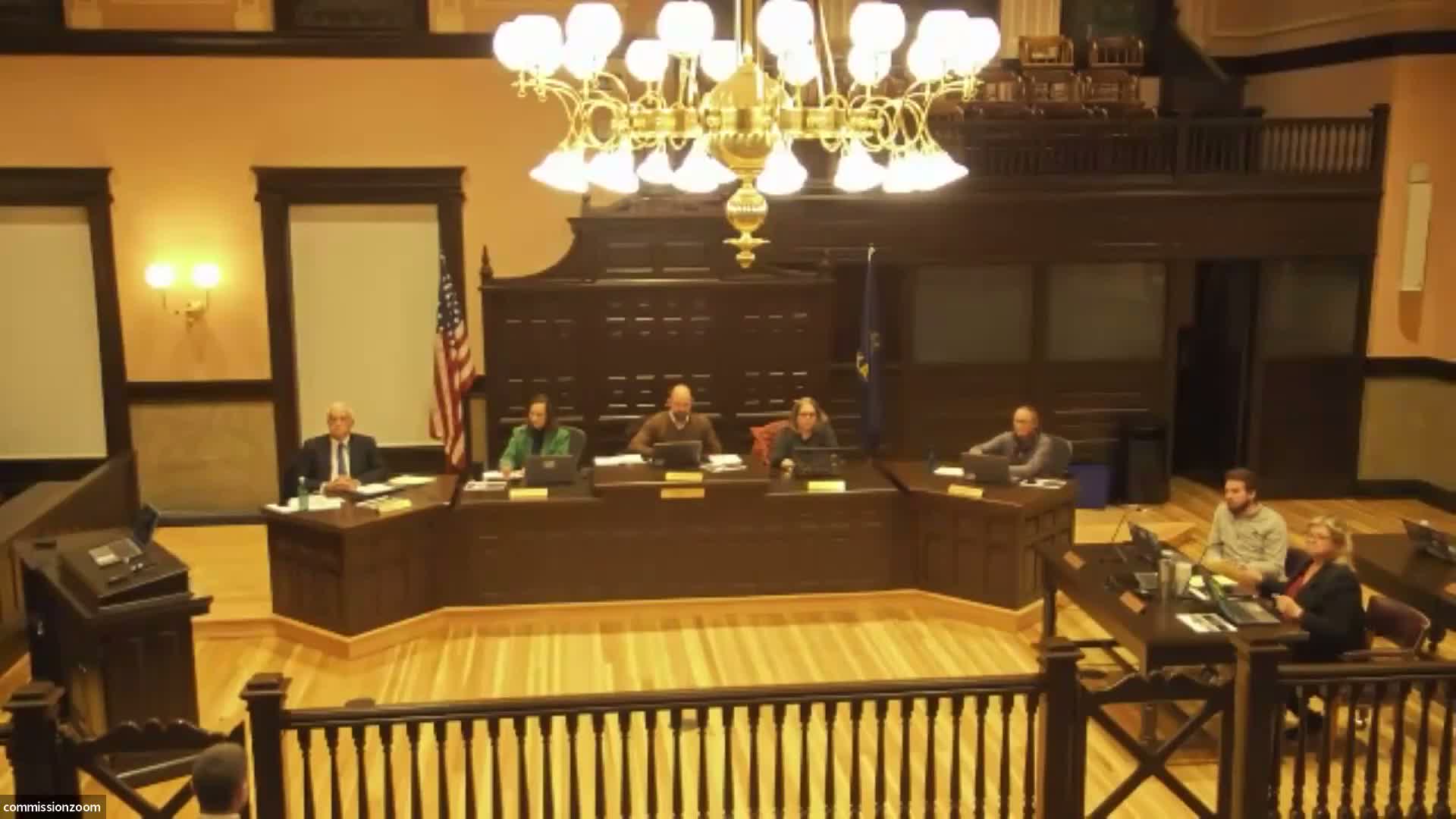
Summary
The Douglas County Commission approved its consent agenda and unanimously adopted a concise 2026 legislative statement after staff edits and commissioner additions, including language on tax/spending priorities and requests to monitor motor-vehicle/title changes.
The Douglas County Commission approved routine consent items and unanimously adopted a revised 2026 legislative statement during its Dec. 3 business meeting. County staff said the statement was edited to remove a redundant home‑rule passage, move spending and tax‑lid language to page two and add bullets on redistricting and rising utility costs.
Jake Broadbent, assistant to the county administrator, briefed commissioners on the edits and said the document is intended to be concise so state legislators will read it. Commissioners suggested additional language — including support for electronic titling and attention to Delta‑8 and Kratom regulation — and staff agreed to monitor motor‑vehicle and titling language with the treasurer and legislative partners.
Commissioner Reid moved to approve the statement; Commissioner Anderson seconded the motion. The commission adopted the 2026 legislative statement on a 5‑0 voice vote.
The vote followed routine consent actions including acceptance of the 2024 single audit. County finance staff and auditor Brooke Sauer explained the single audit is a federal compliance review for federal awards and that it included a repeat finding tied to vendor testing. Commissioner Reid moved to accept the single audit report; the motion passed 5‑0.
The commission said the statement will serve as a foundational advocacy document to be revisited during the legislative session and as issues arise.