
Lexington 1 moves to common assessments, downgrades homework as graded measure amid parent pushback
Get AI-powered insights, summaries, and transcripts
Subscribe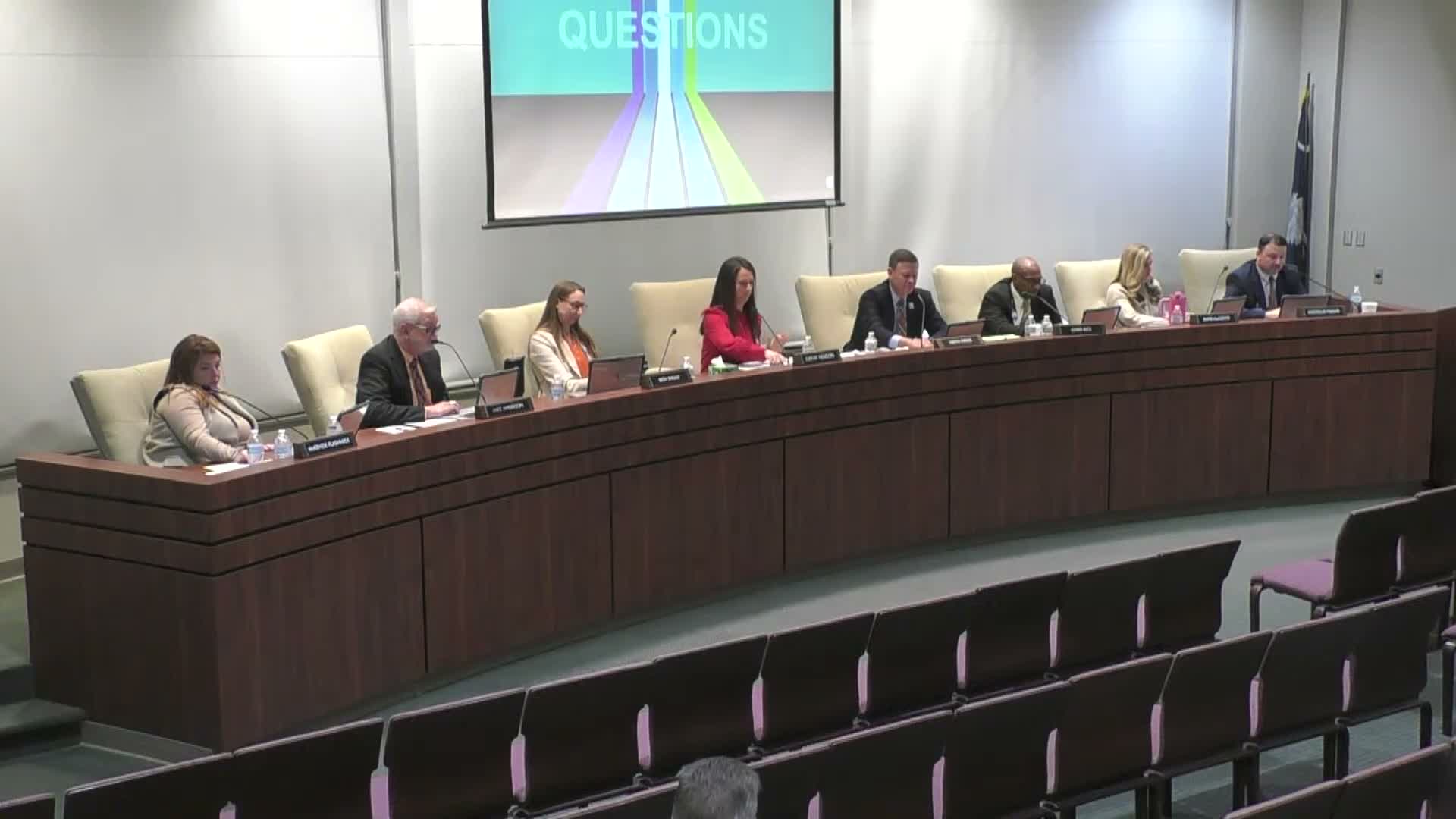
Summary
District leaders explained grading changes and a shift to common assessments intended to align instruction with new state standards; parents at the meeting and community conversations urged fewer quizzes and clearer pacing. The board approved administrative revisions to policy language and asked staff to return with edits before second reading.
Superintendent and district instructional staff outlined changes to grading and common-assessment practices Tuesday as parents and board members pressed for adjustments.
Dr. Gaskins, presenting the district’s rationale, said the changes follow a curriculum effectiveness audit and new state standards in English language arts and math. The district has moved to use common major assessments in grades 3–5—two major math assessments, two major ELA assessments (reading and writing), one science and one social studies per nine-week period—and to rely on minor (formative) assessments and in-class reteaching rather than counting homework as an accuracy measure. "Homework is designed to allow students to practice and make mistakes," Gaskins said, adding that teachers now have flexibility to create minor assessments aligned to standards and that separate reassessment days have been eliminated in favor of small-group reteach and retest opportunities during class time.
The changes drew direct criticism from parents at the meeting and during recent community conversations. Molly Reynolds, a parent of two fourth graders, told the board she sees elementary students tested "4 to 5 times a week" and described growing test anxiety and out-of-pocket costs for tutoring. "Our kids are basically being tested to death," she said. Another speaker, Jason Carnaval, pressed for transparency about who writes district assessments and whether the district is removing policies that previously required daily science and social-studies instruction.
District officials said the common-assessment approach is intended to ensure consistent, standards-based instruction across schools and to provide objective evidence of student progress. Gaskins said district teams of instructional coaches develop or adapt assessments from state-adopted instructional materials and that teachers can request reassessment opportunities; the automatic intervention threshold is currently set so that students scoring below 70% are offered reteach and retest opportunities, and parents may request additional reassessment for higher-scoring students.
Board members pressed for faster changes in response to the volume of community feedback. Administration announced immediate second-quarter adjustments: teachers may create local minor assessments aligned to the majors, and reassessment procedures will be administered in small-group settings rather than on separate make-up days.
The district said it will continue solution sessions with elementary principals and listening sessions with teachers and parents through winter to refine pacing and assessment calendars. The board requested clearer communication and a public calendar of major assessments so parents can anticipate timing and avoid clustering of tests.
The board did not vote on instructional policy at the meeting; several calendar and instructional-minute policy edits are scheduled for second reading at a later meeting.
The district plans to return to the board with progress updates and any additional policy language changes recommended by administration.