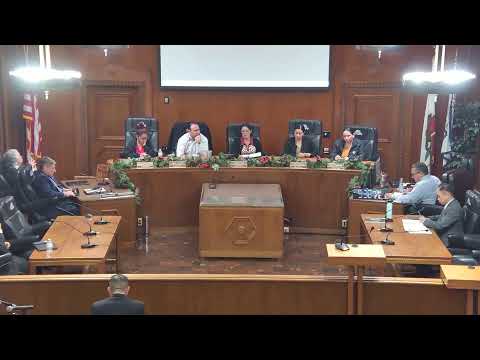
Southgate staff warn of $8–$9.4 million structural shortfall; utility users tax presented as main option
Loading...
Summary
City staff told the Planning Commission that without new revenue Southgate faces an $8–$9.4 million structural deficit on about an $80 million general fund and outlined options including a utility users tax that consultants estimate could generate roughly $9 million at a 7% rate.
At a Planning Commission meeting, city staff presented a fiscal overview showing a projected structural deficit "between 8 and 9,400,000" for the coming fiscal year on a roughly $80 million general fund and said one‑time reserves used this year are exhausted. Staff warned that, without new recurring revenue, the city would need either an infusion of roughly $10,000,000 annually to maintain current services or deep cuts across departments.
Staff outlined why costs have outpaced revenue, citing rising CalPERS pension obligations, insurance and health care increases, prevailing‑wage impacts on contracted services and inflation. The presentation said the city’s unfunded actuarial liability payment rose from about $6,000,000 in 2019–20 to about $10,300,000 in the current year and highlighted examples — including a tree‑trimming contract that moved from a low‑bid model to prevailing wage and increased from roughly $500,000 to about $1,100,000 — as drivers beyond local control.
To close the gap, staff reviewed a range of revenue and cost options: fee adjustments and impact fees, modest changes to transient occupancy taxes, pursuing a CPI update for a street‑lighting and landscape assessment, and a utility users tax (UUT). Staff said consultant estimates suggest a 7% UUT could generate about $9,000,000 annually (higher rates would produce higher estimates), and that the rate and exemptions would affect final revenue. Staff also noted exemptions (for seniors or low‑income residents) reduce total yield and require recalculation.
On timing, staff explained the legal path for a June ballot: the council would need to declare a fiscal emergency at a council meeting (a unanimous vote that night) to place the measure on the June ballot; otherwise the city could pursue a November election that requires different council voting thresholds. Staff said they will present a draft $9,000,000 cuts plan to the City Council on Jan. 13 so the council can weigh cuts against placing a measure on a ballot.
Staff described the possible service impacts under a deep cuts scenario: closures or reduced schedules for pools and golf courses, elimination or reduction of special events, severe reductions in code enforcement and community development staffing, and potential cuts that would affect response times or the city’s ability to pursue grants and capital projects. Staff repeatedly emphasized that many services people expect would be jeopardized if recurring revenue is not secured.
City staff said they will run an extensive public outreach and education campaign — including mailers, social media, multilingual materials, surveys and community meetings — to explain the options and solicit priorities. The commission voted to receive and file the presentation; staff will return with a detailed cuts plan and additional analyses at the Jan. 13 council meeting.
Next steps: staff will finalize the department cut lists, complete the UUT design options (rates and exemptions), publish outreach materials and present the draft cuts and ballot timing options to the City Council in January.