
Consultant briefs board on land development ordinance rewrite and state law constraints
Get AI-powered insights, summaries, and transcripts
Subscribe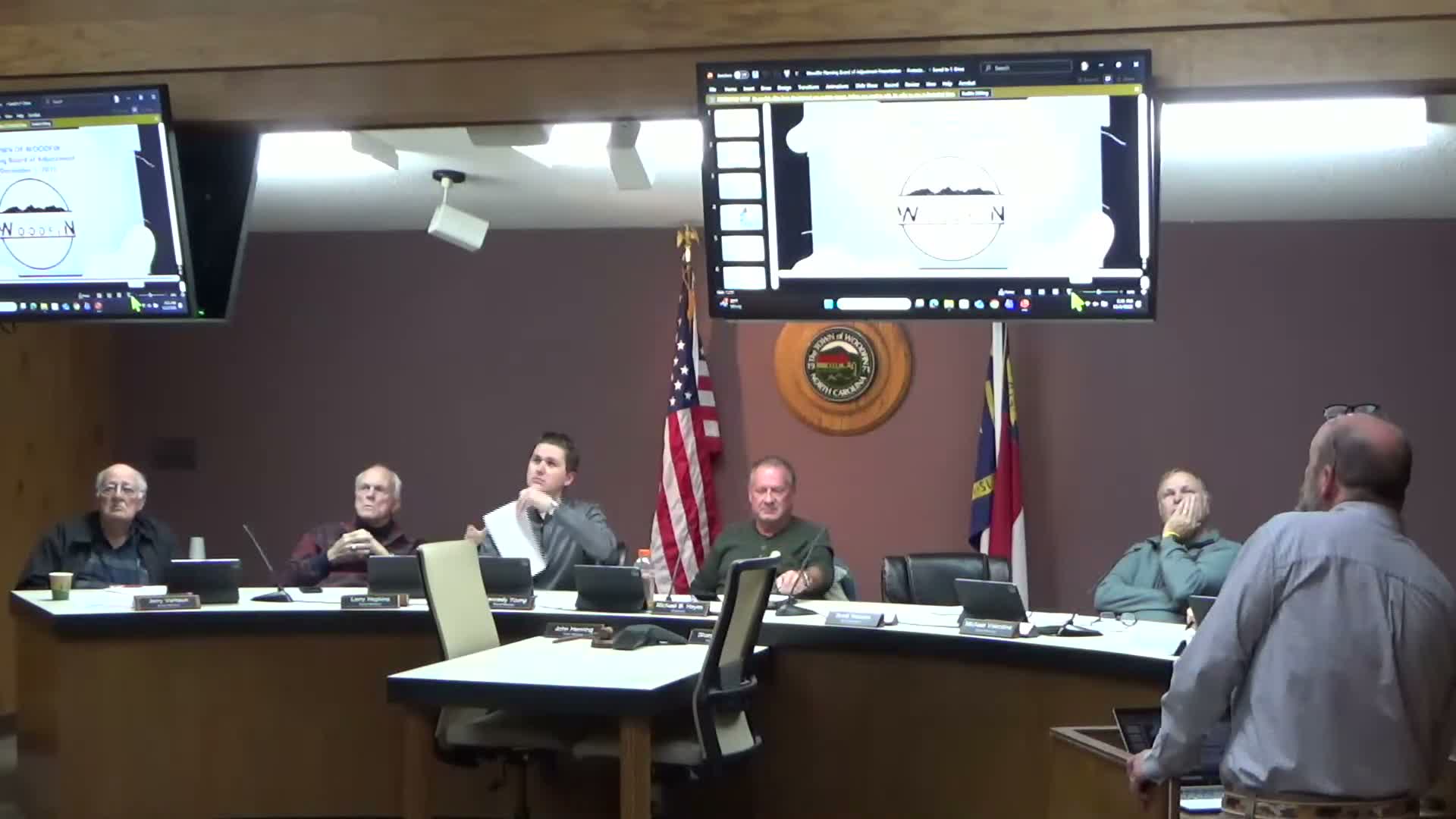
Summary
CodeRight consultant Chad Meadows updated the board on the LDO rewrite: stakeholder interviews, regulatory reviews and a schedule toward adoption; he warned a new state "downzoning" law constrains lowering densities, changing allowable uses, and creating nonconformities without landowner consent and described proposed adaptation strategies and outreach tools (blueprintwoodfin.com).
Chad Meadows of CodeRight told the Woodfin Planning Board of Adjustment Dec. 2 that the town—s Land Development Ordinance rewrite is underway but delayed by recent state law changes that limit local ordinance-making in three key ways: lowering residential density, changing allowable uses in a zoning district from the June 14, 2024 baseline, and creating new nonconformities without consent of affected landowners.
"At least, we can't do without consent first from all the affected landowners," Meadows said, summarizing the practical constraints the firm must incorporate into its drafting strategy. He described the law as retroactive to June 2024 and warned that many local governments that began code projects after that date face the same uncertainty.
Meadows summarized the work completed so far: stakeholder interviews with 34 participants, a policy guidance review tying recommendations back to the Woodfin Together plan, and a regulatory review of multiple chapters of the town code. He said the project team posted materials at www.blueprintwoodfin.com and planned a sequence of deliverables including a code diagnosis, an annotated outline and testing with local development projects. Meadows said the team expects testing in December 2026 and possible adoption hearings in late 2026 or early 2027, depending on state legislative developments.
Key themes the consultant identified include improving the usability and layout of the code, aligning zoning districts to the comprehensive-plan future land-use map, expanding by-right middle-housing options where state law permits, strengthening pedestrian and green-stormwater design standards, and creating incentives and administrative flexibility for development on difficult mountain sites.
Meadows also laid out a suggested approach for handling existing nonconforming developments: a proposed amnesty on the day the new code is adopted that would allow previously approved or built nonconforming features to be reconstructed as they existed at adoption, but require any post-adoption changes to comply with the new standards (or seek a variance). He said the firm will provide a fuller code diagnosis and recommendations for board and public review in coming weeks.
Next steps: staff and CodeRight will finalize the code diagnosis, invite targeted public feedback, prepare an annotated outline and then a draft LDO for public testing. Meadows urged board members to review project materials on the project website and to encourage local stakeholders to participate in upcoming outreach opportunities.