Get Full Government Meeting Transcripts, Videos, & Alerts Forever!
Get email alerts on the Education Funding topic
No spam. Unsubscribe anytime.
Elyria City board, after levy defeats, directs $9 million reduction plan and delays new levy
Summary
After two failed levy bids and a county homestead change that cost the district about $1.5 million a year, Elyria City School leaders told the board they face roughly $9 million in cuts; the board asked staff to draft reduction proposals and decided not to place an 11.9-mill levy on the May ballot now.
Elyria City School Board President Elaine Seguin presided over a Nov. 19 meeting where Superintendent Anne Slosch and Treasurer Colleen Abel warned that two failed levies in 2025 and a change to the county homestead exemption have created an urgent budget gap that could require roughly $9,000,000 in reductions.
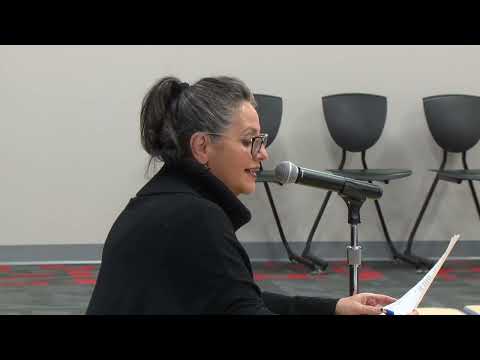
The board heard a public comment from Linda Aguinaga, president of the Elyria Education Association, who told trustees the cuts would threaten teachers, counselors, specialists, nurses and support staff and urged the board to advocate for state funding before considering personnel reductions. "We do not want to see any staff cuts. Not 1," Aguinaga said.
Why it matters: district leaders said the levies on the ballot this year would have generated about $6,000,000 over 10 years, but recent state law changes and county tax actions mean the district now estimates an 11.9-mill levy would be necessary to replace lost revenue — more than double the 4.9 mills previously sought. Treasurer Colleen Abel told the board the county's action to double the homestead exemption cost the district about $1,500,000 a year, and that those losses pushed Elyria into a third consecutive year of negative cash status under Ohio Department of Education (ODE) criteria.
"These decisions will be deeply difficult, but necessary to ensure that the Elyria Schools remain solvent and able to provide essential educational services to students," Superintendent Anne Slosch said during the presentation.
Board members questioned whether the community would support a substantially larger levy so soon after two defeats. Trustees asked for concrete numbers, a community engagement plan and reductions to be spelled out before asking voters for more money. One trustee summarized the prevailing view: staff should prepare a reduction plan and the board should not place a levy on the May ballot immediately.
Operational details and next steps presented to the board included a Dec. 10 deadline for placing a levy resolution on the ballot for a May election and staff estimates that an 11.9-mill levy would translate to roughly $20–$35 more per month for a $100,000 home depending on the exact rate calculation. The administration said a $9,000,000 reduction scenario would move the district toward a healthier cash balance but would not eliminate the need for future revenue if costs and funding gaps persist.
Votes at a glance: The board approved routine governance items during the meeting. The board voted to approve prior meeting minutes (motion carried), accepted the October financial report and associated treasurer items, approved superintendent action items including a services contract and overnight athletics permissions, and approved personnel actions including retirements and appointments. All recorded roll-call votes on those items carried with Aye votes from the board members present.
What was not decided: The board did not adopt any final reduction or layoff plan at the Nov. 19 meeting. Administrators and union leadership agreed final decisions would not be made that night; instead, staff will return to the board early next year with recommended reductions, timelines, and opportunities for public input.
Context: Presenters attributed the financial stress to a combination of failed local levies, declining one-time federal pandemic relief funds (ESSER), state funding that has not kept pace with inflation and special-education costs, and recent state legislation (House Bill 96) that removed the ability to place emergency fixed-dollar levies on the ballot for some districts. The treasurer cautioned that the district's ability to rely on a low mill floor (the 20-mill floor described in the presentation) complicates millage calculations and can reduce the revenue a fixed-millage proposal ultimately yields.
The board meeting concluded after approving routine items and asking district staff to develop the $9 million reduction plan and engagement strategy. The administration said it would present recommendations and public outreach plans early next year for the board’s consideration.