
Pittsboro staff outlines plan for stormwater program, recommends new utility and watershed studies
Get AI-powered insights, summaries, and transcripts
Subscribe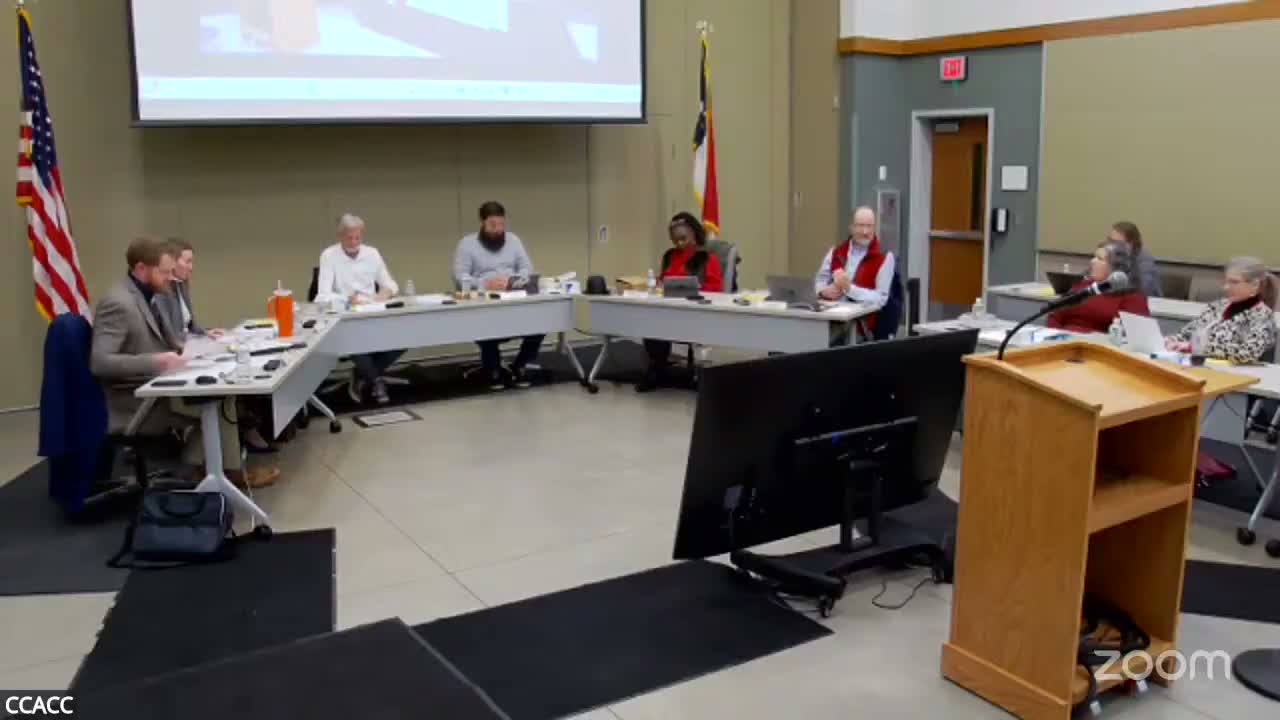
Summary
Town staff presented a 55‑minute plan to create a stormwater management program — including a proposed enterprise fund, updated development rules, and prioritized watershed studies (Turkey Creek first) — citing aging culverts, regulatory compliance and rising storm risks.
Town stormwater and development staff presented a detailed proposal Dec. 3 to establish a formal stormwater program that would include updated ordinances, targeted watershed studies and a dedicated stormwater fund to pay for maintenance and restoration.
"We don't have a permit," Speaker 2 said in a presentation that ran about 55 minutes, describing the town's need to move from ad‑hoc stormwater repairs to a compliance‑oriented program tied to MS4 permit requirements. The staff plan recommends updating Chapter 4 of the Unified Development Ordinance, adopting a stormwater manual with maintenance standards, and installing monitoring stations to better target repairs.
Why it matters: commissioners heard that growth and more frequent high‑intensity storms have increased flooding and infrastructure stress. Staff recommended prioritizing the unmapped Turkey Creek watershed for study and immediate repairs, with Hill and Robeson creeks to follow. The presentation proposed an initial set of investments — monitoring gauges (estimated $25,000–$50,000 each), a LiDAR/GIS assessment and a watershed study (staff estimate: roughly $250,000 or more for a full study) — and urged the town to pursue grants and phased work.
How it would be funded: staff proposed creating a stormwater enterprise fund and a fee structure tied to impervious area. Speaker 2 described a two‑stage approach: hire consultants to design the fee and program framework (the presentation referenced a baseline consultant cost thought of as the one‑time study) and then phase fee implementation. "The stormwater fund itself is roughly gonna be about 150,000," Speaker 2 said as an illustrative startup figure to create a tiered fee structure and begin program work.
Board discussion and clarifications: commissioners asked about legal limits (Jordan Lake buffer rules, DEQ review) and about which MS4 phase would apply. Staff said some higher requirements would require permit approval and that the town must coordinate with state and federal regulators for buffer and permit language. On costs the staff suggested phasing work, using grants where possible and starting with smaller, targeted studies ($50,000–$100,000) to address immediate harms while planning larger watershed work.
Next steps: staff said they will begin UDO revisions, compile LiDAR/impervious data into GIS layers for prioritization, pursue grant matches, and return with costed options and schedules for commission consideration, including a formal proposal for the stormwater enterprise fund and any necessary ordinance changes.