
TWRA outlines bear‑management strategy: reduce attractants, expand BearWise outreach
Get AI-powered insights, summaries, and transcripts
Subscribe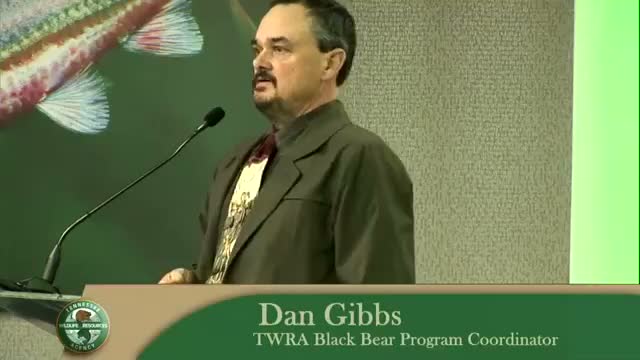
Summary
TWRA presented a multi-pronged bear-management approach focused on attractant reduction (BearWise), local government dumpster programs, and response capacity, noting high call volumes and evidence relocation is largely ineffective.
TWRA staff briefed commissioners on black bear management and human–bear conflicts, emphasizing that the agency is shifting focus from relocation and reactive response toward attractant management and local partnerships.
Joe Benedict and Dan (TWRA bear team) framed the issue with harvest and conflict data: staff estimated roughly 6,000 bears statewide (including the Great Smoky Mountains National Park), said the agency hunts bears in 37 counties and five primary zones, and noted last year’s record harvest of 813 compared with roughly 400 so far this season. Janelle, lead on conflict management, said calls to TWRA topped 1,700 in 2024 and described agency field assistance, retrofit kits and pilot BearWise outreach programs.
Janelle cited research and agency experience to question relocation effectiveness: “Relocation is pretty ineffective, and about 90 percent of bears that are moved are dead within 4 months,” she said, and recommended prioritizing on‑site technical assistance and community measures instead.
TWRA highlighted municipal successes as models: Gatlinburg revamped dumpsters to keep bears out of municipal trash, Townsend passed a bear‑resistant dumpster ordinance, and Kingsport and Pigeon Forge offered bear‑resistant trash cans to residents. Dan said the agency previously offered a $250,000 cost‑share program to help communities buy cans but received no applications, underscoring the need for local buy‑in.
Commissioners asked whether TWRA has capacity and funding to scale response work; speakers said capacity is stretched, called for continued public education and local government participation, and proposed BearWise recognition, media training, and more conflict‑specialist training for wildlife officers.
Next steps: TWRA will continue BearWise outreach and technical assistance, pursue local partnerships for bear‑resistant infrastructure, and identify funding and training needs to increase response capacity.