Get Full Government Meeting Transcripts, Videos, & Alerts Forever!
Get email alerts on the Public Comment topic
No spam. Unsubscribe anytime.
Residents press council on Hometown Heritage funding, sewer-rate hikes and traffic safety
Summary
At the Nov. 18 Lamar City Council meeting, residents questioned Hometown Heritage Foundation funding and governance, challenged recent sewer-rate increases, and urged long-term traffic-calming measures including better speed-data and possible permanent signs.
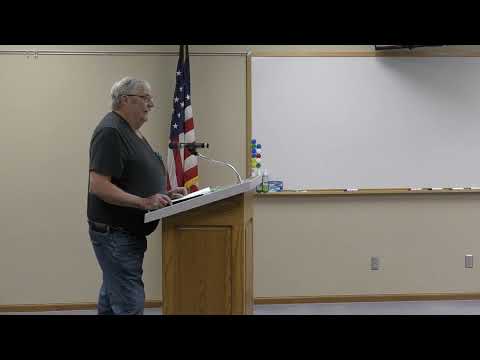
Residents used the Nov. 18 public-comment period to press the Lamar City Council on three recurring local issues: Hometown Heritage Foundation funding and governance, recent sewer-rate increases, and traffic-calming measures on local streets and Highway 75.
Jeff Lam, of 571 Happy Trails Drive, asked whether Hometown Heritage Foundation board members are paid and how much city money the foundation receives. Council and staff said board members serve without compensation and the director is the only paid position. A council member stated that the city provides about one-third of the foundation's budget through a 2% hotel-motel sales-tax allocation but that much of the group’s funding is private, including individual donors and business sponsorships. "So it's largely private," one council member said; another added the foundation is an independent entity and does not speak for the city.
On sewer rates, a resident said rates had increased "169% over five years" and asked how the city calculated the increases. City staff and council described the rates as being set by engineers to reflect the cost to operate facilities, pay debt and fund planned capital projects, noting state rules limit the city’s ability to "stockpile" funds for long-term projects. A staff member described the calculations as tied to operating costs and forthcoming work such as building an RO (reverse-osmosis) system.
Residents also asked about traffic-calming. Jeremy Morris praised the police and fire departments and said traffic slowed while a speed trailer was present on 4th Street; he asked whether the trailer’s data are public and whether the city should consider permanent signage or more mobile units. Staff said older trailers were not outfitted to collect data but that grant applications and budget requests include new signs with data capability; the council suggested the Public Safety Committee review permanent options during budget time.
Speakers raised additional infrastructure questions (railroad crossing on 4th Street, ownership of water lines from meter to street and the need to replace aging lines) and asked which committee or budget item will consider them. Council members directed several issues to committee review and budget planning rather than adopting immediate policy changes.
No formal council action was taken during the public-comment exchanges; several items were referred to committees or to the budget process for possible funding or equipment purchases.