Get Full Government Meeting Transcripts, Videos, & Alerts Forever!
Get email alerts on the Hangar Development topic
No spam. Unsubscribe anytime.
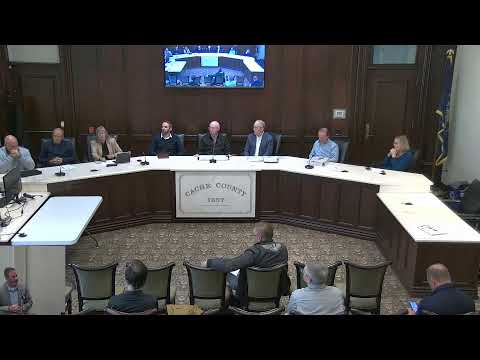
Airport board conditionally approves large hangar leases while debating taxi‑lane cost recovery
Summary
The airport authority approved two large hangar lease requests (for Taxiway Kilo and a 'Black River' group) subject to later agreements on taxiway cost allocation, and opened a detailed discussion of a proposed fee to recover taxi‑lane construction costs as FAA grants decline.
The Airport Authority voted to approve two large hangar lease requests on the condition that the applicants accept a subsequent, board‑approved agreement on taxi‑lane cost allocation.
Board members approved Craig Adams' request to build four hangars on Taxiway Kilo and a separate request described in the meeting as the "Black River" (Lima) proposal. The approvals were explicit conditional approvals: the board approved the projects now but left detailed cost and reimbursement terms, and any formal contract language, to be worked out and returned for final adoption.
The approvals came as the board debated a proposed cost‑recovery policy aimed at replacing dwindling FAA taxiway grants. The proposal the board discussed would charge a recovery fee for hangars built on existing taxi lanes (board members discussed examples such as $1,000 per frontage foot for Group 1 taxi lanes and $2,000 per foot for Group 2 taxi lanes, with an additional $2,000 flat fee for hangars with sewer and water access). The chair explained that hangars constructed without an existing taxi lane would be exempt from the fee but would be required to build the taxi lane in front of the hangar to FAA specifications.
Board members and applicants pushed for transparency and fairness in applying any fee. One board member noted the airport should avoid labeling the charge an "impact fee," saying the term carries defined rules for subdivisions and would complicate implementation. Consultants and engineers on hand said the most defensible approach is to estimate the actual cost to build or extend a taxi lane at each site, obtain competitive bids, and base recovery charges on those figures rather than a flat, one‑size‑fits‑all number.
Applicants also raised process concerns. Andy Checketts, who said he had been in contact with multiple people on the waiting list, argued the authority's process is slow and sometimes unclear: "I'm just saying why are we making the process so hard?" Board members responded that staff will re‑contact waiting‑list applicants, tighten notification procedures and report back, and that approvals would prioritize applicants who respond and are ready to move forward.
Board procedure on the approvals: the motion to approve Craig Adams' Kilo request was made by an attending board member (recorded as Unidentified Speaker 9) and seconded (Unidentified Speaker 6). The board voted by voice and the motion passed; the approvals are recorded as subject to a subsequent cost allocation agreement to be finalized with the applicants and staff.
What comes next: staff and consultants will produce engineering estimates and solicit bids for the taxi‑lane work (Kilo is expected to be bid in December), clarify the waiting‑list status of other applicants, and return a formal cost‑recovery policy and contract language for board consideration at a future meeting.