
Wheeling approves streaming tax to replace lost telecom revenue
Get AI-powered insights, summaries, and transcripts
Subscribe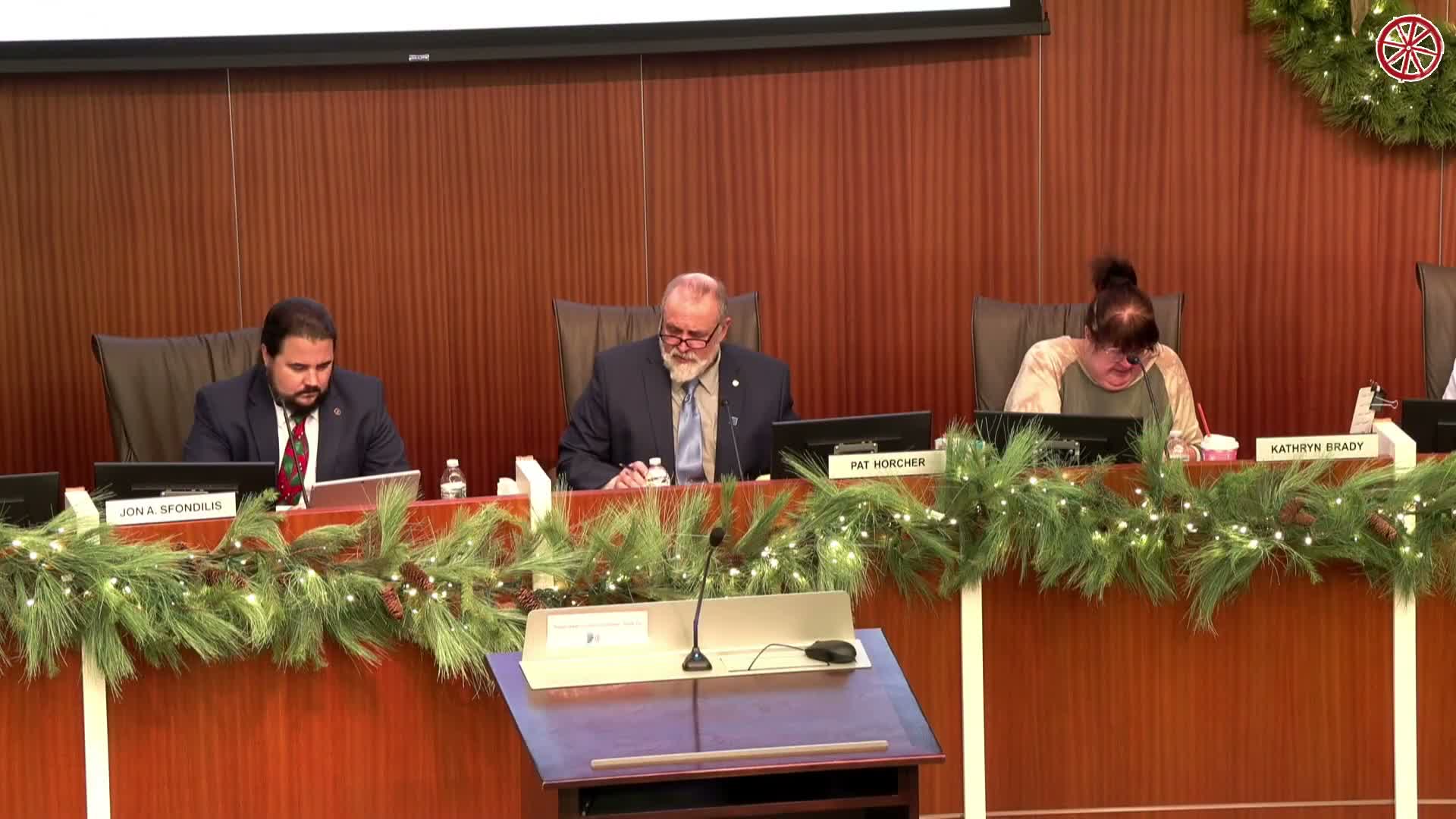
Summary
The Wheeling Village Board approved an ordinance imposing a streaming-amusement use tax expected to generate roughly $350,000 a year to offset declines in telecommunications revenue; trustees said it targets only streaming users and will avoid a larger property-tax increase.
WHEELING — The Village of Wheeling on Dec. 1 adopted an ordinance to add a streaming-amusement tax on subscription streaming services, a move officials said will help replace revenue lost as residents moved from landlines to mobile phones.
Village staff estimated the tax could generate about $350,000 annually — roughly equivalent to a 2% property-tax increase — and said the levy required without the new revenue would have been materially higher. "Staff estimates the streaming tax could generate $350,000 annually," Mr. Smith said in presenting the ordinance, adding examples of household impacts.
Why it matters: village officials said the telecom tax the village historically collected has fallen as consumers abandoned landlines for mobile and digital services. The streaming tax is designed as a use tax collected and remitted by streaming-service providers rather than a direct charge on residents by the village.
How it would work: staff estimated the typical Illinois household now spends $40–$60 per month on streaming; under the village calculation, that would produce an annual household payment in the range of roughly $19–$29. Using the village illustration, a $9.99 monthly service would yield approximately $0.40 per month in tax. Trustees characterized the tax as a choice-based use tax that applies only to households that subscribe to streaming services.
Board discussion and vote: Trustees asked how the change would affect the levy. Trustee Ruffato asked whether the village would still face levy pressure; Mr. Smith said, without the streaming tax, he would have recommended a levy increase of more than 4% to reach the same revenue goals. Trustee Papantos said, "If you don't use streaming services, you won't be paying it," emphasizing the tax's user-based design. The board moved, seconded and approved the ordinance by roll call.
Next steps: the ordinance was adopted at the meeting and will be incorporated into the Wheeling Municipal Code; staff said collection will be administered through providers that remit the tax directly to the village. The ordinance language sets the tax as a municipal use tax on streaming-amusement services.