
Judge refuses deferred-probation offers in Robert Lowe child-related cases, resets for trial or re-negotiation
Get AI-powered insights, summaries, and transcripts
Subscribe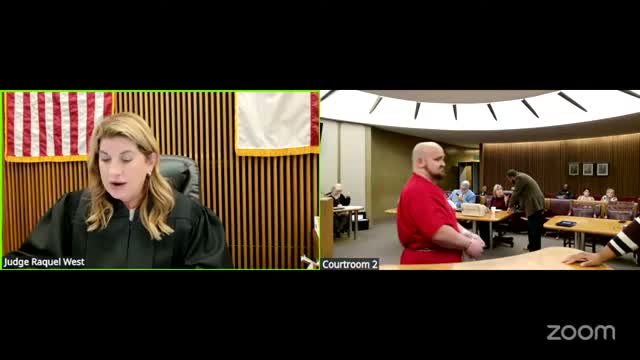
Summary
The judge rejected deferred-probation offers in three child-exploitation-related cases involving Robert Lowe and reset the matters for further negotiation or a jury trial, citing the seriousness of the offense and the familial relationship of the victim.
In a lineup of plea matters, the judge reviewed the pre-sentence report for Robert Lowe, who had previously entered guilty pleas in three cases involving possession of child sexual material. The judge stated she was not comfortable accepting deferred-probation offers given the facts, including that the victim was a five-year-old family member, and declined to follow the submitted plea bargains.
"I do not feel comfortable accepting deferred probations in these cases," the judge said, and she rejected the plea offers. The court reset the cases to give the parties one opportunity to renegotiate; otherwise the matters will proceed to trial. The judge told counsel to communicate any additional relevant information and warned the defendant that if the court later accepts a negotiated disposition it will be reflected in the record and will likely limit appellate rights.
The court emphasized it would consider the seriousness of the offense and relevant disciplinary reports from the jail when ruling on any future offer. The judge instructed defense counsel and the prosecution to consult and present alternatives if appropriate; otherwise the cases will be set for jury trial.
The judge also noted the procedural option of allowing a jury to hear the evidence and, if guilty, to set punishment within statutory ranges rather than accepting a negotiated deferred sentence.
The judge’s rejection of these offers leaves the plea status unresolved and moves the cases toward further hearings or trial preparation.