
Oral argument: counsel says $175,000 award forecloses ‘double recovery,’ disputes county causation
Get AI-powered insights, summaries, and transcripts
Subscribe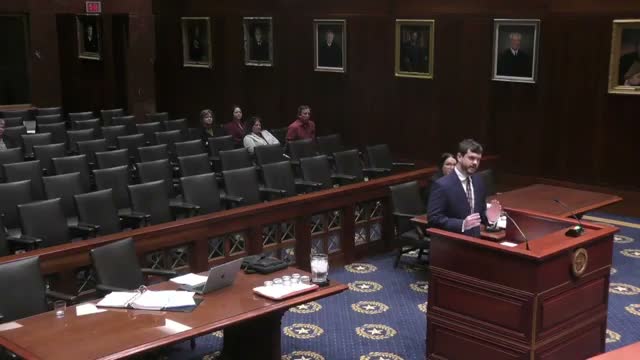
Summary
In an oral argument, counsel for the respondents told the court that a single $175,000 jury award for loss in property value forecloses any double recovery and that there is no record evidence tying Victoria County to later damages; counsel cited statute ‘‘419008’’ and prior cases including Finley v. PG and a Verizon decision.
At an oral argument, a courtroom participant argued that plaintiffs cannot obtain a double recovery because the jury awarded a single measure of economic loss — "a $175,000 for the reduction in value of the property," counsel said. The speaker insisted the jury answers were not inconsistent and that the $175,000 award covers the claimed diminution in property value.
The speaker urged the court to view the case as one about causation and damages allocation. Counsel said Victoria County's contested actions occurred before the purchaser acquired the property and therefore could not have caused later harms: "There is no evidence that Victoria County... could possibly have caused any injuries of all these cost of property and consequences," the speaker argued, noting the record shows the purchaser bought the property "with all the conditions that existed at the time."
Counsel referenced legal precedent and statutory structure in support. The argument invoked "Finley v. PG" and a Verizon-related decision as authorities on how courts calculate and apportion damages, and counsel pointed to the "structure of 419008," describing how subsection (a) and (b) interact when a plaintiff seeks multiple types of recovery.
The speaker also addressed procedural points raised during the exchange, noting defense positions were framed after discovery and arguing the designated party lacked evidence tying the county to a particular portion of the claimed losses. Counsel said there was no record showing post-2013 damages attributable to county conduct.
No formal vote or decision was recorded in the transcript provided. The argument concluded with reference to the statutory and precedential authorities, and another attorney was expected to present the respondents' argument next.