Get Full Government Meeting Transcripts, Videos, & Alerts Forever!
Get email alerts on the Budget Amendment topic
No spam. Unsubscribe anytime.
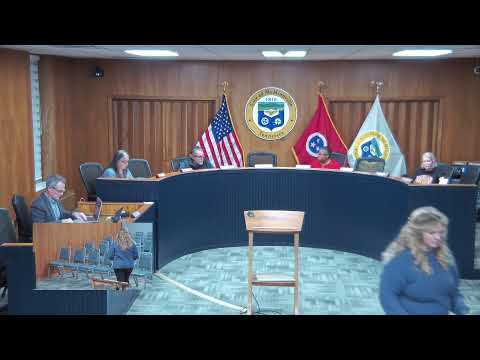
Finance committee forwards midyear budget amendment to full board, citing $129,000 in recurring savings
Summary
The McMinnville Finance Committee voted to send a midyear budget amendment to the full board that returns roughly $129,000 in recurring general‑fund savings, adds two meeting/budget software products, funds City Hall façade repairs and includes tourism‑fund and sanitation items for consideration.
The McMinnville Finance Committee voted to forward a midyear budget amendment to the full board after a staff presentation that identified roughly $129,000 in recurring general‑fund savings.
Samantha, the committee's budget presenter, told members that retirements and departmental restructuring produced "almost a $130,000 worth of savings" across public works, the police department and community development. She said the amendment reduces some grant revenues (including a Park Theater mural grant reduced to $6,000 while the work is expected to cost about $10,000) and increases certain revenues such as an $8,500 surplus‑vehicle sale projection for police.
Samantha said the amendment would lower general‑fund revenue by about $47,000 while trimming expenditures by roughly $176,000, yielding the $129,000 net improvement to the fund balance. If that full amount were returned to the unassigned fund balance, she said the city would finish the fiscal year ending June 30, 2026, with about $5,361,000 in the unassigned balance versus $5,121,000 previously projected.
The package includes two software purchases the city would test this fiscal year: a budgeting tool that Samantha said "is only gonna cost us $5,000 this year" for an initial implementation and an open‑meeting/meeting‑management add‑on that staff estimated would cost about $20,000 in its first year. Samantha described the budgeting product as offering itemization and real‑time scenario modeling (for example, changing a single rate to show 1% vs. 2% cost‑of‑living adjustments across outputs). She emphasized the city would not be locked into a multi‑year contract.
Samantha recommended the committee approve a draft ordinance to go to the full board for first reading on Dec. 9 and for a public hearing/second reading on Jan. 13. After brief discussion about paving estimates (Samantha said the city's PCI study raw data would be available next Tuesday), Speaker 5 moved to present the ordinances to the full board as drafted; Samantha seconded, members voiced aye and the motion carried.
The committee also discussed options for reallocating the savings instead of returning all of it to reserves; Samantha said staff will prepare the ordinance language and bring any acceptable alternatives to the full board. The tourism fund change included in the packet is a net‑zero adjustment staff described as formal but not revenue‑affecting.
Next steps: staff will prepare the draft ordinance for the Dec. 9 first reading; the public hearing is scheduled for Jan. 13, when members said the package can be revised before the second reading.