Texas Supreme Court hears whether refusal to do CPS-ordered services can justify parental-termination
Loading...
Summary
At oral argument, petitioners told the Supreme Court of Texas that the record lacks legally sufficient evidence that parents endangered their children and said termination flowed from a refusal to comply with department-ordered services. The respondent urged deference to the jury, citing differential treatment, post-removal conduct and the parents' absence from the state.
The Supreme Court of Texas on Tuesday heard competing arguments over whether parents'refusal to participate in family-based services ordered by child-protective authorities can, standing alone, support termination of parental rights.
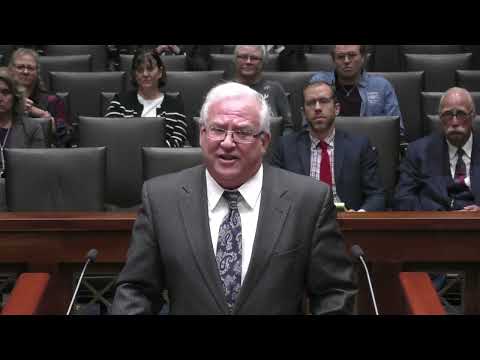
Petitioners' lawyer Mister Sharpe urged the justices to reverse a trial-court verdict that terminated the parents' rights, saying the record does not contain legally sufficient evidence of endangerment. "Because they told the department, we are not going to cooperate," Sharpe told the Court, arguing the refusal to engage with ordered services was the decisive fact rather than proven abuse.
The respondent, represented by Mister Scanlon, defended the jury's finding and the termination on multiple grounds. "Sometimes juries get it wrong. This jury did not get it wrong," Scanlon said, urging the Court to review whether reasonable jurors could form a firm conviction under the clear-and-convincing-evidence standard.
Why it matters: The case probes the boundary between parental constitutional rights and the state's duty to protect children. Counsel debated whether traditional discipline and isolated incidents fall short of the statutory endangerment required for termination and whether refusal to engage with services can be treated as probative conduct when judged alongside other facts.
What the record shows: Counsel and the justices discussed allegations that an older child had been dragged by the hair and subject to prolonged time-outs, and that a child had complained of restricted food. Petitioners emphasized that the mother was terminated as to one child and the father on four children, and said the department'ordered interventions were limited to anger-management classes, a psychological evaluation and counseling beginning in March 2022. Petitioners argued the parents repeatedly declined those services and had limited post-removal contact with their children.
Respondent's counter: Scanlon pointed to broader evidence a jury considered, including testimony the older child was scapegoated, problems with the family's care (alleged neglect of medical or educational needs for other children), the parents' relocation to Louisiana and a lack of substantial in-person efforts to visit while the children were in Texas. Respondent also highlighted the father's post-removal arrest and a drug-possession circumstance presented at trial as corroborating evidence the jury could weigh.
Law and standards: The justices and counsel discussed appellate standards for review in termination cases'whether appellate courts must ask whether a reasonable juror could form a firm belief under the clear-and-convincing standard or whether review is functionally equivalent to ordinary legal-sufficiency review. They also asked whether any new statutory changes (discussed in argument as an elimination of a prior subsection "O") alter the relationship between a department's authority to order services and the permissible grounds for termination.
Procedural posture and remedies: Petitioners asked the Court to reverse and render on the termination and conservatorship or, alternatively, to remand to the court of appeals for further consideration. Justices asked practical questions about what would happen to the department's appointment as conservator if terminations were reversed.
The bottom line: Counsel for the parents asked the Court to treat this as a close legal-sufficiency question that does not support termination, stressing the limited services requested and a lack of course-of-conduct evidence of endangerment before removal. The respondent urged deference to the jury given conflicting testimony and corroborating facts presented at trial.
The Court took the case under submission after argument and did not announce a decision from the bench.