Board accepts audit after auditors warn of 'substantial doubt' about district's financial outlook
Summary
Trustees unanimously accepted the fiscal year audit after auditors issued a clean opinion with an 'emphasis of matter' citing 'substantial doubt' about the district's ability to continue as a going concern; auditors and staff highlighted a roughly $13 million net position deficit and an end‑of‑year general fund shortfall near $950,000.
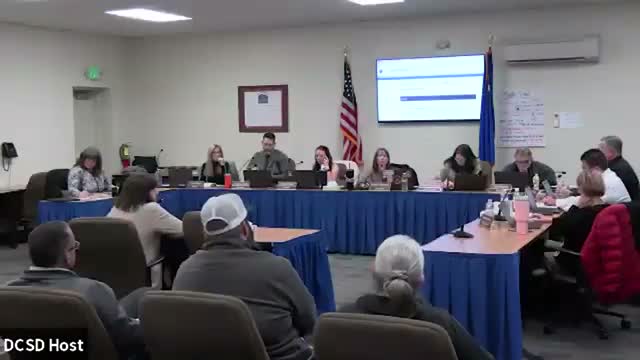
The Douglas County School District Board of Trustees voted unanimously to accept the fiscal year audit after auditors delivered a clean (unqualified) opinion that included a required emphasis of matter raising "substantial doubt about the district's ability to continue as a going concern." The board's acceptance came after a presentation and extended public comment and trustee questions.
David Silva, the auditor on the phone, told trustees the financial statements were presented fairly but that the audit included a specific disclosure pointing readers to Note 12, which discusses the district's financial difficulties and plans to mitigate them. "We issued a clean opinion," Silva said, "but there is substantial doubt about the district's ability to continue as a going concern." The auditor highlighted a total net position deficit of about $13 million and walked the board through the general fund presentation that shows an approximate end‑of‑year deficit of $950,000.
District finance staff explained that part of the pressure reflects a mix of forces: state per‑pupil funding increases in recent years, negotiated salary increases, and declining enrollment that reduced revenue. "Last year we had to transfer $1,600,000 to special education from the general fund," said Sue Estes (Director of Business Services), explaining how state funding formulas and local transfers interact with the special education fund.
Trustees pressed staff on several points raised during public comment, including detailed line items for grant carryovers, withdrawals from the local government investment pool, and how the district records multi‑year federal grants in its budgeting system. Public commenters urged the board to pursue recovery of outside legal fees and to ensure every available dollar supports classrooms and student services.
After discussion, Trustee Zinky moved to accept the audit as presented; Trustee Miller seconded. The board approved the motion by unanimous voice vote.
What happens next: staff said the district will continue to develop mitigation plans described in Note 12 of the audit, produce more granular budget breakdowns for trustees, and share follow‑up documentation requested by board members and members of the public. The administration also noted a scheduled Department of Taxation review on Dec. 10 that could influence next steps.