Clayton County State Court handles large arraignment calendar; multiple pleas accepted and some cases dismissed
Loading...
Summary
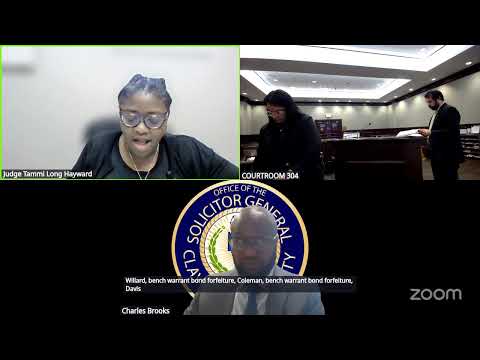
Judge Tammy Long Hayward ran a hybrid arraignment calendar in Courtroom 304 on Dec. 4, 2025, accepting negotiated pleas and first-offender pleas, issuing and recalling several bench warrants, and directing defendants to probation intake and payment procedures.
Judge Tammy Long Hayward opened the Clayton County State Court arraignment calendar in Courtroom 304 on Dec. 4, 2025, and reviewed rights, plea options and hybrid-zoom housekeeping for defendants and counsel. The judge emphasized that arraignment is the first trial-court appearance, explained the difference between guilty, not guilty and nolo contendere pleas, and instructed defendants with commercial driver’s licenses to consider effects on their licenses before pleading.
The court processed dozens of matters across overlapping 10:00, 11:00 and 1:00 calendars. Several negotiated pleas were accepted; multiple first-offender pleas were entered and accepted (which merge related counts into a single disposition under Georgia’s First Offender framework). The court also recorded a number of “no pros” (dismissals) and directed the clerk’s office and probation staff to follow up on paperwork and intake. Judge Hayward repeatedly instructed defendants to send contact information to the courtroom chat (to Amanda Wright) so sentencing sheets and payment instructions could be emailed.
Several bench-warrant and bond-forfeiture requests were announced for defendants who did not appear. Where defendants were present and the prosecutor recommended withdrawal or no-process, the judge recorded dismissals and recalled bench warrants. The court repeatedly used Zoom breakout rooms to allow appointed or public defenders to conference privately with clients and to move matters forward without bringing everyone back to the main session. The judge also outlined payment options (typically 30–60 days without probation or a 12-month pay-only probation plan) and stressed that failure to pay or comply with probation can result in rearrest and the reopening of enforcement actions.
The calendar included multiple traffic and low-level matters handled by plea or diversion referral (pretrial diversion/ PTI), and probation directions for defendants who received suspended sentences or probationary terms. The session closed with the judge recapping dispositions and reset dates (many matters were moved to Jan. 22, 2026) and thanking participants for patience during a lengthy hybrid arraignment calendar.