
Texas high court hears argument on whether later suit is barred by first‑filed rule
Get AI-powered insights, summaries, and transcripts
Subscribe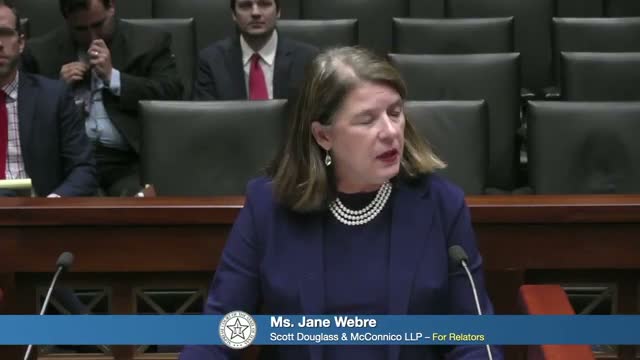
Summary
At oral argument before the Supreme Court of Texas, counsel argued the court should clarify whether a later‑filed suit is barred by the first‑filed rule and urged adoption of a material‑elements test to avoid duplicative litigation; counsel cited filing dates and disputed whether alleged misconduct continued after 2012.
The Supreme Court of Texas heard argument over whether a later‑filed suit should be barred by the so‑called first‑filed rule, an unidentified speaker told the court that the earlier suit’s allegations and filing history required the court to adopt a clear test to avoid duplicative litigation.
The unidentified speaker said the earlier action "was filed in 2012," was later unsealed in 2017, and that a related transaction occurred in 2021, arguing the court must compare the petitions to determine whether the material elements are the same. The speaker urged the court to "go ahead and first file, analysis" to prevent a second complaint from proceeding when it should have been resolved earlier.
Why it matters: counsel said a bright‑line or material‑elements yardstick from the Supreme Court would give Texas lower courts guidance and reduce wasted litigation. The speaker described the central allegations as a "cartel scheme," saying many parties and entities were alleged to have engaged in related business practices and that that factual posture affects whether the second suit survives.
During argument counsel pressed two related points: that the state had not intervened in the earlier rounds of litigation and that federal courts’ approaches to the first‑filed rule may not directly control Texas law. "They did not weigh in on on the merits of the first," the unidentified speaker said, arguing the state's inaction bears on the survivability analysis. The speaker contrasted federal precedent with Texas practice and urged the court to articulate an appropriate Texas standard.
Counsel also addressed statutory characterization, invoking precedent and statutory limits. The argument cited Xerox and questioned whether the statute at issue is penal or remedial and how that classification affects assignability and survivability of claims. The unidentified speaker told the court it would be inappropriate to construe the statute in a way that created separation‑of‑powers problems.
The speaker disputed an assertion that the challenged conduct was confined to 2012, arguing that alleged misconduct and related damages and penalties continued after that date. "It is wrong," the unidentified speaker said in response to a limitation theory, and urged the court to consider the continued nature of the alleged conduct when assessing whether the later suit should proceed.
The hearing concluded with routine courtroom formalities; the record shows the court rose after argument. No final ruling was announced during the proceeding recorded in this transcript.
Reporting note: quotations and paraphrase are drawn from the court transcript; attributions to speakers are limited to names and roles that appear in the transcript.