Get Full Government Meeting Transcripts, Videos, & Alerts Forever!
Get email alerts on the Alcohol Regulation topic
No spam. Unsubscribe anytime.
Council directs staff to add off-sale liquor license in comprehensive ordinance update
Summary
Council reviewed a draft comprehensive update to the city’s alcohol ordinance and unanimously directed staff to add an off-sale license category and research fee options; staff recommended further work on definitions, renewals and penalties ahead of first reading.
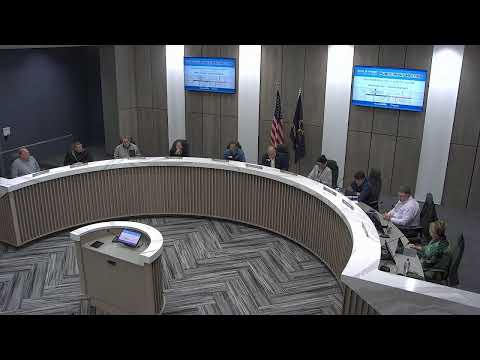
City staff brought a draft comprehensive update to Minot’s alcohol ordinance to the council on Nov. 17 and the council directed staff to add an off-sale license category and research comparative fee levels.
City Attorney reviewed major changes in the draft, including a reworked licensing structure (reducing existing license types), mandatory alcohol-server training for certain licensees, stricter renewal deadlines (renewals proposed by Nov. 1) and updated special-event permit rules. The proposed ordinance would reduce the number of liquor-license categories and introduce new transfer fees and penalty structures.
Alderman Fuller moved to direct staff to add an off-sale license category; the motion was seconded and passed unanimously. Council discussion highlighted concerns that grocery and big-box stores that paid for full-service licenses might convert to a cheaper off-sale license, and staff said fee levels would be reviewed in a fee-resolution stage and that revised fees would be proposed before the ordinance’s effective date (proposed for 2027).
Why it matters: the change could reshape the local market for alcohol licenses, affect license values and change the regulatory and fee structure for bars and retail liquor sellers.
What’s next: staff will compile fee comparisons from other jurisdictions, refine draft language (including samples provisions) and return with a first reading; the ordinance timeline allows time for public input and additional council review.