Get Full Government Meeting Transcripts, Videos, & Alerts Forever!
Get email alerts on the Development Agreements topic
No spam. Unsubscribe anytime.
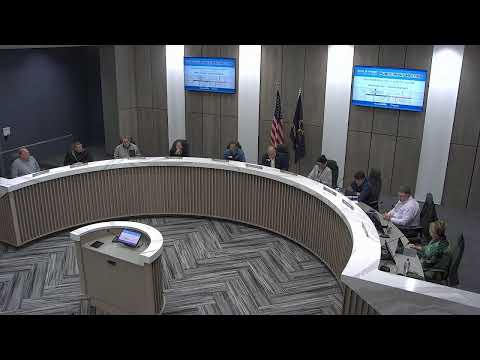
Council allows bond in lieu of a short walking path amid heated developer and council disagreement
Summary
Council accepted a bond to allow building permits in a Highlands at North Hill PUD despite controversy over a 385-foot walking path required by the PUD; vote passed 5–1 with one abstention after lengthy debate about precedent, homeowner expectations and the amendment process.
The City Council voted Nov. 17 to accept a bond in place of immediate construction of a 385-foot walkway required under an older PUD for Highlands at North Hill, allowing the developer to pull building permits while staff studies amendment options.
Alderman Pittner moved the bond approach, saying it would permit a model home to be built this season while protections remain for the public. Alderman Fuller opposed waiving the requirement without following formal amendment procedures and described the situation as an example of rules that make Minot hard to work with: "This right here is absurd," he said during debate. Other councilors defended honoring the original development agreement and preserving the rights of homeowners who bought with promises of a path.
City staff and the city attorney explained the current approach to development agreements has moved away from hard deadlines and that bonding or extensions are standard practice for seasonal or weather-dependent work. The motion to accept the bond and direct staff to vet a streamlined amendment process passed 5–1, with Alderman Fuller dissenting and Alderman Hayes abstaining.
Why it matters: the decision balances the developer’s ability to proceed with housing construction against contractual obligations and homeowner expectations; councilors said the vote does not eliminate the requirement but allows time to pursue an agreed amendment if appropriate.
What’s next: staff will examine processes to amend development agreements and notify affected property owners through the standard public-hearing and certified-mail process if changes are proposed.