Get Full Government Meeting Transcripts, Videos, & Alerts Forever!
Get email alerts on the School Budget topic
No spam. Unsubscribe anytime.
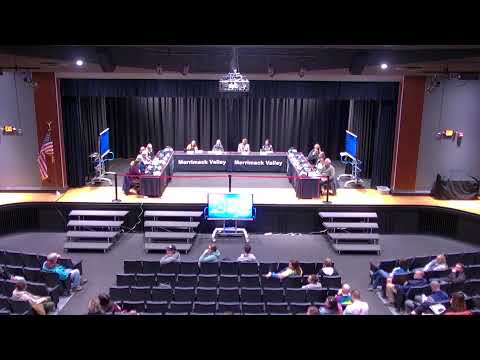
Merrimack Valley School Board adopts ‘Option 1’ budget revisions, cutting 19 positions and some programs
Summary
After extended public comment and debate, the Merrimack Valley School Board voted to adopt “Option 1,” a budget revision package that administrators say reduces about 19 positions (with at most three job losses through a reduction‑in‑force), suspends certain one‑year initiatives and trims building, transportation and extracurricular spending.
The Merrimack Valley School Board voted Thursday night to adopt a revised budget package labeled “Option 1,” approving a mix of one‑year and permanent cuts that administrators say will reduce roughly 19 faculty and staff positions and require other program reductions.
Administrators told the board the package balances district priorities while limiting the number of employees who will lose payed positions through a formal reduction‑in‑force (RIF). Assistant Superintendent Catherine Masterson said the administration expects at most three employees could lose employment through the RIF process, and that offers will be made to place affected staff in positions outside their collective bargaining units when possible.
Why it matters: Board and administration leaders presented two budget packages after a statutory timeline compelled the district to submit final numbers to the Department of Revenue Administration. Supporters of Option 1 argued it spreads cuts across many lines, preserves routine capital and vehicle replacement cycles and restores some summer curriculum work; critics warned that even surgical cuts will reduce services and harm students if not monitored and reversed when possible.
What’s in Option 1: The administration presented the following notable elements as part of the approved package.
- Staffing: A net reduction of about 19 positions across schools and programs. The district said many reductions come through attrition (retirements, resignations, vacancies) and “shifts” (reassigning staff to other certified roles). Administrators said up to three staff members may be displaced through RIF and that two of the three are likely to accept alternative offers; one may not have a certification match and could be harder to place.
- Programs and one‑year suspensions: The district would suspend district‑wide curriculum work for one year, and eliminate the summer reading/STEAM program that serves up to 50 students (roughly 2% of the district’s students) for about 36 hours of programming.
- Devices and technology: The 1:1 Chromebook initiative for first graders would be paused (the presentation cited a $66,000 equipment line tied to that item), but classroom sets and digital literacy instruction would continue.
- Facilities and equipment: Two lines that had been increased in the original budget (site improvement and building improvement) were reduced from a proposed $100,000 increase to $50,000 each. Administrators cautioned postponing such projects increases long‑term costs.
- Transportation and buses: Administration said their transportation fleet requires a regular replacement cycle determined by a licensed inspector; the inspector recommended replacing two large buses next year, and deviating from that cycle (for example, buying only one bus) could create safety or operational risks on certain Salisbury routes that need specific suspensions. The board was reminded that budgeting for bus purchases is only the first step; purchases would need bids and committee/board approval.
- Athletics and extracurriculars: Middle‑school B sports funding (about $18,630 shown in presentation lines) and a proposed late bus reduction (approximately $35,000) were among the lines reduced in Option 1; administrators suggested some town leagues can cover certain middle‑school activities.
Board discussion and vote: Board members asked detailed questions about class sizes, nurse staffing (administration said there will be approximately 2.5 nurses covering middle and high school roles), the source of reductions (attrition versus RIF), and whether elements of the two presented packages could be combined. Administrators advised that the two options were intentionally balanced to match staffing impacts and that the board needed to choose one. A motion to approve Option 1 carried on a voice vote; the chair announced the motion passed after aye and nay calls.
Public reaction: Earlier in the meeting and again after the vote, dozens of residents, parents, teachers and students spoke during public comment. Speakers represented a range of concerns: special education staff warned cuts could undermine legally required IEP services; the MV Music Boosters warned that pay‑to‑play should not apply to band and chorus (which they noted are credit‑bearing courses); parents and students described petitions and student anxiety; several teachers and union representatives thanked administrators for concessions but warned about long‑term morale and retention risks.
Next steps: Administration and the board said they will follow the statutory filing timeline to submit revised numbers, bring any required bus bids to the transportation committee, and present staffing changes consistent with collective bargaining and RIF processes. Board members repeatedly urged transparency and called for continued community engagement as the district monitors the effects of these cuts during the coming school year.
Representative quotes from the meeting: “I am currently the special education teacher for K through 5 at my school… I am concerned about the district’s ability to meet each child’s legally required services through the IEP if this position were reduced or changed,” said Kelly Denoncourt, speaking during public comment. Sandra Gordon of the MV Music Boosters asked the board to “please not include music programs, specifically band, in that [pay‑to‑play]” plan. Administrators told the board the package is the result of combining feedback and concessions and aims to “minimize the impact on kids while addressing the budget shortfall.”
What the board will watch for: several members cautioned that many cuts are one‑year measures and the board must track outcomes (student learning, enrollment, staffing stability, safety and maintenance backlogs) so decisions can be revisited when fiscal circumstances change.